Klarna Applies for US Bank Charter in Push Beyond BNPL
Swedish fintech Klarna is seeking a US bank charter, joining a growing wave of fintech and crypto firms targeting the traditional banking system.
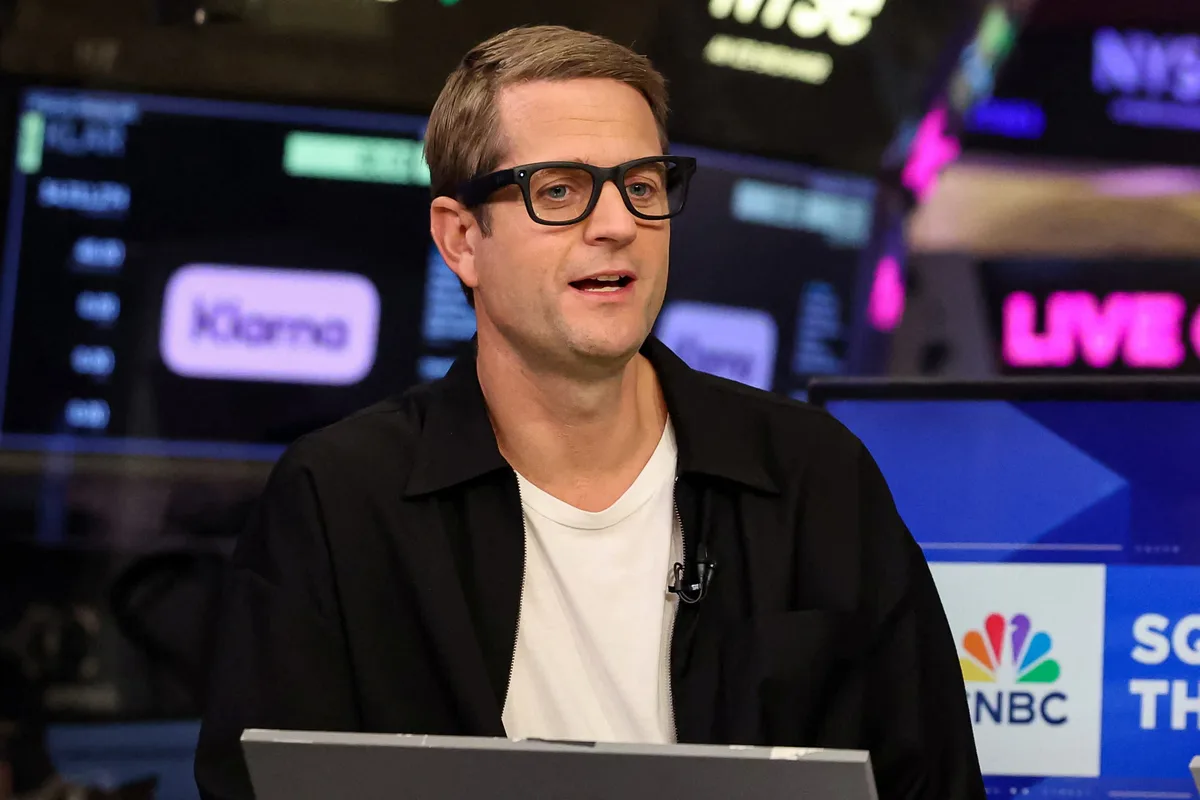
Klarna, the Swedish buy now, pay later giant, has filed for a US bank charter, signaling an ambitious effort to expand its financial services footprint well beyond its core installment-lending business. The move positions Klarna alongside a mounting cohort of fintech and cryptocurrency companies pushing to gain formal entry into America's regulated banking infrastructure.
Seeking a bank charter would allow Klarna to offer a broader suite of financial products directly to American consumers — potentially including deposit accounts, loans, and other traditional banking services — without relying as heavily on partner banks. For a company that built its brand on interest-free installment payments at checkout, the pivot represents a significant strategic evolution ahead of what has been a closely watched push toward a US public offering.
Read more Ripple Wins Full MiCA License to Operate Across Europe →
Klarna's bid reflects a wider industry trend in which technology-driven financial companies are no longer content operating at the margins of the banking system. Fintech and crypto firms have increasingly sought charters or banking licenses as a way to reduce regulatory friction, lower funding costs, and compete more directly with established lenders. The strategy carries real stakes: obtaining a charter subjects companies to rigorous federal oversight, capital requirements, and compliance obligations that purely tech-focused firms have historically avoided.
The outcome of Klarna's application could set a meaningful precedent at a moment when regulators are actively reassessing how nontraditional players fit into the US financial system. Whether the company succeeds or faces the prolonged review process that has stalled other fintech charter applicants remains to be seen, but the filing alone underscores how far the BNPL sector's ambitions have grown since its pandemic-era boom.
Continue reading at US Top News and Analysis.