Crypto Markets Are Changing How Wall Street Traders Spend Weekends
Around-the-clock crypto trading is forcing Wall Street professionals to stay plugged in on Saturdays and Sundays, reshaping work-life boundaries.
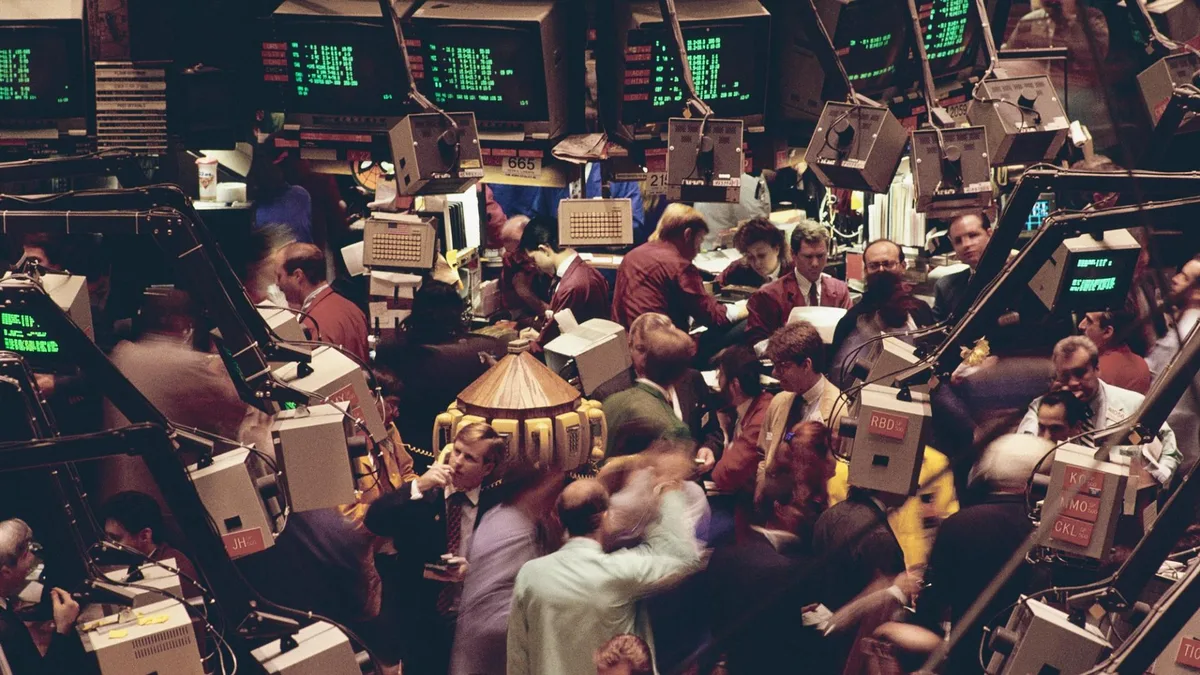
Cryptocurrency's 24/7 trading cycle is quietly transforming the weekend routines of Wall Street traders, who have long relied on Saturday and Sunday as a buffer from market volatility. Unlike traditional equities, which close on Friday afternoon and reopen Monday morning, digital asset markets never pause — forcing finance professionals to remain alert even during hours once considered personal time.
The always-on nature of crypto means that a sharp move in Bitcoin or Ethereum over a Saturday night can ripple into Monday's equity and derivatives markets, compelling traders to monitor positions and hedge risks during what used to be downtime. For many on Wall Street, this has blurred the line between professional obligation and personal life in ways that the stock market never did.
Read more Nvidia Eyes $250B OpenAI Backstop, Rattling AI Investors →
The shift reflects a broader structural change as institutional investors pour capital into digital assets. As banks, hedge funds, and trading desks expand their crypto exposure, the expectation that someone is always watching the desk has followed. Junior traders and analysts are reportedly bearing a disproportionate share of weekend monitoring duties, raising concerns about burnout across the industry.
The cultural tension is real: Wall Street has historically prized the weekend reset as essential to sustaining high-performance work. Crypto's intrusion into that space represents not just a scheduling inconvenience but a fundamental renegotiation of what it means to work in modern finance. Some firms are beginning to formalize rotating weekend watch schedules to manage the load, though industry-wide norms are still evolving.
Continue reading at CoinDesk.