Cramer Warns AI Financing Frenzy Echoes Dot-Com Bubble Era
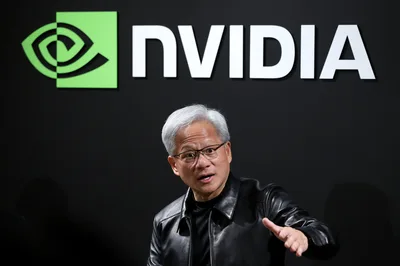
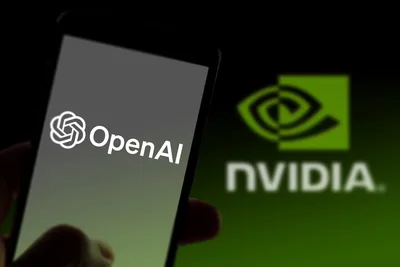
Jim Cramer sees echoes of the dot-com crash in reports that Nvidia may back OpenAI's data center expansion through circular financing.
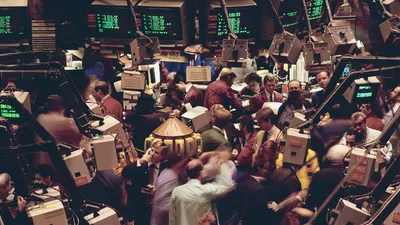
CNBC's Jim Cramer sounded a pointed alarm Monday, warning that reports of Nvidia backing OpenAI's data center expansion bear an uncomfortable resemblance to the circular financing arrangements that helped fuel — and ultimately detonate — the dot-com bubble of the late 1990s and early 2000s.
At the heart of Cramer's concern is the nature of the deal itself: a major AI chipmaker potentially financing the infrastructure buildout of one of its biggest customers. That kind of vendor-financing structure was a hallmark of the telecom and internet boom, where companies extended credit to buyers who then used the funds to purchase the very products the lender sold — obscuring real demand and inflating revenue figures across the sector.
Read more Nvidia Eyes $250B OpenAI Backstop, Rattling AI Investors →
The comparison carries weight given Cramer's long track record covering market cycles. The dot-com collapse wiped out trillions in equity value after it became clear that much of the era's explosive growth rested on accounting arrangements rather than genuine end-user demand. Critics of the current AI investment wave have raised similar questions about whether capital expenditures on AI infrastructure will ultimately translate into sustainable revenue for all players involved.
Nvidia has emerged as the dominant supplier of graphics processing units powering the AI boom, and OpenAI has been among the most capital-intensive consumers of that compute. Any financial entanglement between the two would intensify scrutiny over whether AI sector valuations reflect durable fundamentals or a self-reinforcing cycle of investment that could unwind sharply if growth expectations disappoint.
Cramer stopped short of predicting an imminent crash, but his warning adds a prominent voice to a growing chorus of analysts urging investors to interrogate the structural assumptions underpinning the AI trade. Continue reading at US Top News and Analysis.