Cramer Warns AI Funding Cycle Mirrors Dot-Com Bubble Era
Jim Cramer says Nvidia-OpenAI financing echoes pre-crash dot-com deals. The CNBC host sees familiar danger signs in AI's circular money flows.
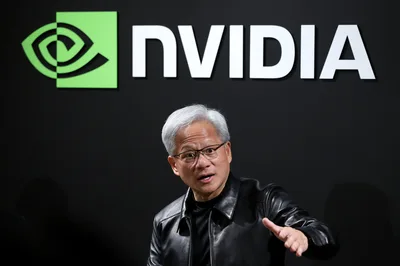
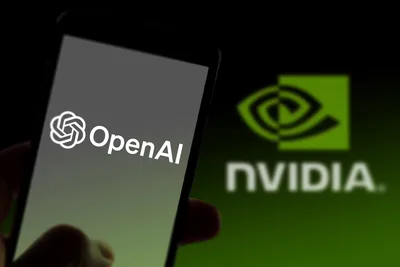
CNBC host Jim Cramer raised alarms Wednesday about the financing structure underpinning the artificial intelligence boom, warning that reports of Nvidia backing OpenAI's data center expansion bear an uncomfortable resemblance to the circular funding arrangements that helped inflate — and ultimately burst — the dot-com bubble of the late 1990s and early 2000s.
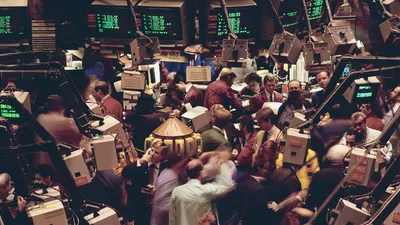
Cramer's concern centers on the nature of the deal itself: when a major chip supplier reportedly finances the expansion of a key customer, money flows in a loop that can obscure true market demand and inflate valuations beyond sustainable levels. That dynamic, critics argued at the time, was a hallmark of the dot-com era, when telecom and technology companies extended credit to one another to manufacture the appearance of robust revenue growth.
Read more Nvidia Eyes $250B OpenAI Backstop, Rattling AI Investors →
The warning carries weight given the scale of current AI investment. Nvidia has emerged as the dominant hardware supplier for AI infrastructure, and OpenAI is among the most capital-intensive consumers of that hardware. If the financing relationship between the two deepens, outside analysts may find it harder to assess whether demand for AI compute is organically driven or artificially stimulated by vendor-backed credit arrangements.
Cramer stopped short of predicting an imminent collapse, but his historical parallel serves as a caution flag for investors riding the AI wave at elevated valuations. Market veterans who lived through the dot-com crash remember how quickly sentiment reversed once the circular nature of tech-sector financing became apparent to the broader market — a reversal that wiped out trillions in equity value within months.
Whether the AI cycle ultimately follows the same trajectory remains an open question, but Cramer's remarks add a prominent Wall Street voice to a growing chorus questioning whether enthusiasm for artificial intelligence has outpaced the fundamentals. Continue reading at US Top News and Analysis.