Warsh Vows Fed 'Regime Change' to End Inflation Burden on Americans
Kevin Warsh pledged Tuesday to overhaul Federal Reserve policy and eliminate the inflation 'tax' that has plagued Americans for five years.
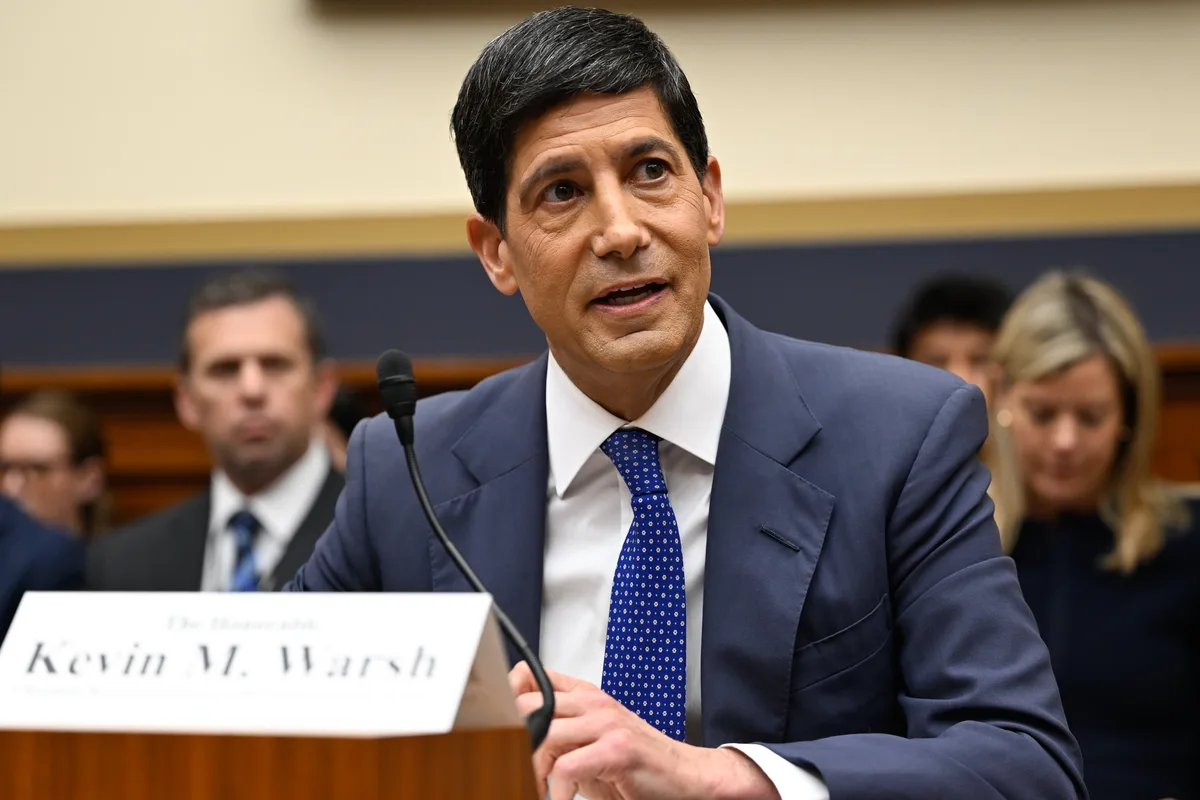
Kevin Warsh pledged Tuesday to fundamentally reshape Federal Reserve monetary policy, vowing to engineer a "regime change" at the central bank aimed at stamping out the persistent inflation that he characterized as a hidden tax on ordinary Americans. The commitment signals an aggressive posture toward price stability should Warsh assume a leadership role at the Fed.
Warsh framed inflation not merely as an economic inconvenience but as a direct financial burden on working Americans, language that reflects growing political pressure on the Federal Reserve to deliver more decisive results after years of elevated prices. His call for a policy overhaul suggests dissatisfaction with the Fed's existing framework and its pace of progress on restoring price stability.
Read more China June Data Beats on Retail Sales and Industrial Output →
The pledge to "get monetary policy right" carries significant weight given that inflation has confounded the central bank for roughly five years, eroding household purchasing power and fueling public frustration. A regime change at the Fed would likely mean shifts in how policymakers communicate targets, manage interest rates, and respond to economic data — though the precise mechanics of Warsh's proposed approach were not detailed in his remarks.
The rhetoric around a Fed shakeup adds to an already charged debate about central bank independence and the institution's credibility. Warsh's framing positions him as a hawkish reformer willing to break from recent convention, a stance that could resonate with critics who argue the Fed moved too slowly to contain the post-pandemic price surge.
Continue reading at US Top News and Analysis.