China Q2 GDP Grows 4.3%, Slowest Since Pandemic Era
China's economy missed forecasts in Q2, hitting its weakest annual growth rate since late 2022 as property woes and external shocks converge.
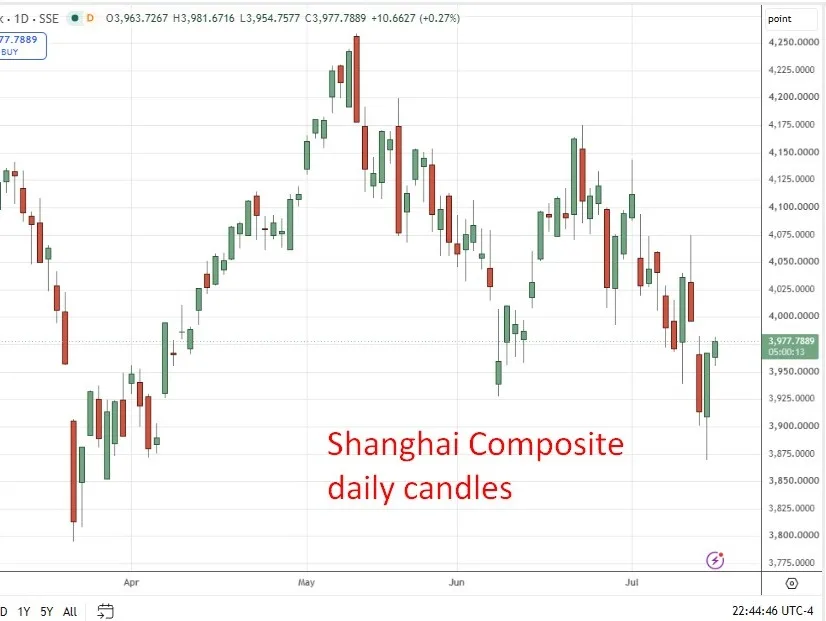
China's economy expanded just 4.3% year-on-year in the second quarter of 2026, official data released Wednesday showed, falling short of analyst forecasts of 4.5% and decelerating sharply from 5.0% growth in the first quarter. The reading marks the slowest annual pace since the fourth quarter of 2022, when COVID-19 lockdowns were still crippling activity, as a property sector in freefall and fallout from an Iran-linked oil shock eroded momentum that stronger exports and factory output could not fully offset.
The internal picture is deeply uneven. Industrial output accelerated to 5.3% year-on-year in June, beating forecasts, while retail sales rebounded 1.0% after a 0.6% contraction in May. But fixed-asset investment collapsed 5.7% in the first half of the year — worse than the projected 4.9% drop — and property investment sank 18.0% in the same period, deepening from a 16.2% decline through May. New construction starts plummeted 23.4% and funds raised by developers fell 20.2%, signaling that the sector's distress shows no near-term floor.
Read more China June Data Beats on Retail Sales and Industrial Output →
The compounding of an old structural wound — the property downturn — with a fresh external drag is forcing Beijing into an increasingly difficult policy corner. Analysts expect the upcoming Politburo meeting to lean on fiscal tools rather than aggressive monetary easing, suggesting any stimulus response will be measured rather than sweeping. Premier Li's remarks on counter-cyclical policy adjustment will be scrutinized closely by markets looking for signals on the government's appetite for a bolder intervention.
On a quarterly basis, GDP grew 0.9%, in line with forecasts but down from 1.3% in the first quarter, confirming that momentum is clearly fading. New home prices continued to fall in June, though the rate of decline eased slightly, with scattered improvement in major cities unable to offset broad nationwide weakness. The data collectively underscore that China's path back to its full-year growth target will require more than factory production and export strength to sustain.
Continue reading at Forexlive.