Trump's Hormuz Toll Plan Puts Global Oil Supply at Risk
A proposed 20% fee on Strait of Hormuz cargo could upend the global oil surplus and rattle energy markets worldwide.
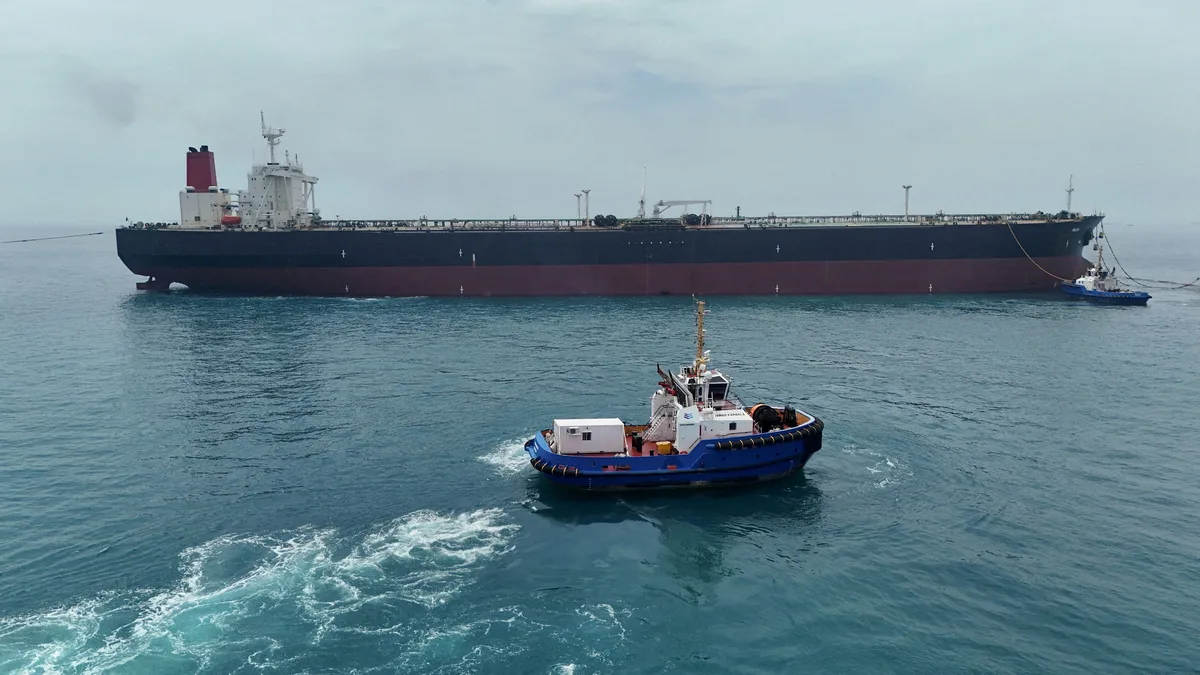
President Donald Trump is pushing a plan to impose a 20% toll on cargo transiting the Strait of Hormuz, one of the world's most critical energy chokepoints, raising immediate concerns about disruptions to the global oil supply chain. The proposal has thrust oil supply risks back into the center of market discussions at a time when analysts had been counting on a surplus to keep prices stable.
The Strait of Hormuz is the narrow waterway between Iran and Oman through which roughly a fifth of the world's oil supply passes daily. Any disruption — whether physical or economic — to traffic through that passage carries outsized consequences for energy prices, global inflation, and the economies of major oil-importing nations.
Read more Chinese Humanoid Robot Startups Race Toward IPO Exits →
Trump's toll proposal would effectively add a significant cost burden on tankers carrying crude and other cargo through the strait, a move that could push shipping costs sharply higher and incentivize rerouting or supply slowdowns. Analysts warn that even the threat of such a fee is enough to reintroduce a risk premium into oil prices that markets had largely priced out in recent months.
The timing is particularly sensitive. Forecasters had pointed to a global oil surplus as a cushion against price spikes, but that buffer could erode quickly if Hormuz traffic is meaningfully constrained. The geopolitical signal sent by the toll plan also raises the prospect of escalating tensions with Iran and Gulf states that depend on unimpeded passage for their export revenues.
The proposal underscores how quickly energy market conditions can shift when major shipping lanes become political leverage. Continue reading at US Top News and Analysis.