Fed July Rate Hike Odds Climb as Oil Prices Surge
Rising oil prices tied to Strait of Hormuz tensions are pushing up market bets on a Federal Reserve rate hike in July.
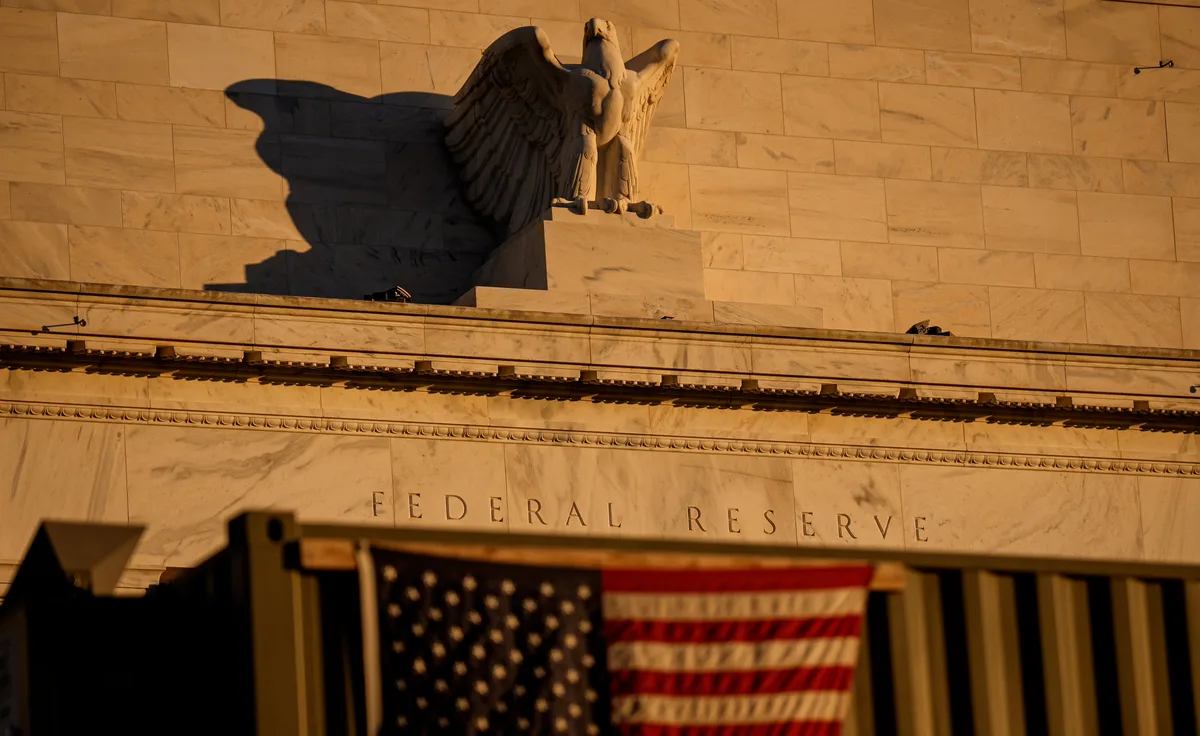
Market odds of a Federal Reserve interest rate hike in July jumped Thursday as oil prices surged following the latest escalation of tensions in the Strait of Hormuz, a critical global energy chokepoint. The dual move in crude markets and rate expectations underscored how quickly geopolitical developments abroad can ripple through U.S. monetary policy expectations.
Oil prices climbed sharply on news out of the Strait of Hormuz, the narrow waterway through which a significant share of the world's oil supply passes. Supply disruption fears pushed energy costs higher, a dynamic that can feed directly into inflation readings — the very metric the Federal Reserve watches most closely when setting borrowing costs.
Read more Chinese Humanoid Robot Startups Race Toward IPO Exits →
With inflation already a central concern for Fed policymakers, any upward pressure from energy markets complicates the central bank's calculus. A renewed rise in consumer prices could push officials to act sooner than previously anticipated, even after a period during which markets had largely priced in a pause in the rate-hiking cycle.
The development is a reminder that the Fed's path forward remains highly sensitive to external shocks. While domestic economic data continues to drive the primary policy debate, commodity-price spikes triggered by geopolitical flashpoints can rapidly shift the probability landscape for near-term rate decisions.
Continue reading at US Top News and Analysis.