Trump Claims 20% Growth Is Possible, But History Says Otherwise
President Trump forecasted U.S. growth could reach 20%, a level achieved only once since World War II. He also urged the Fed to hold off on rate hikes.
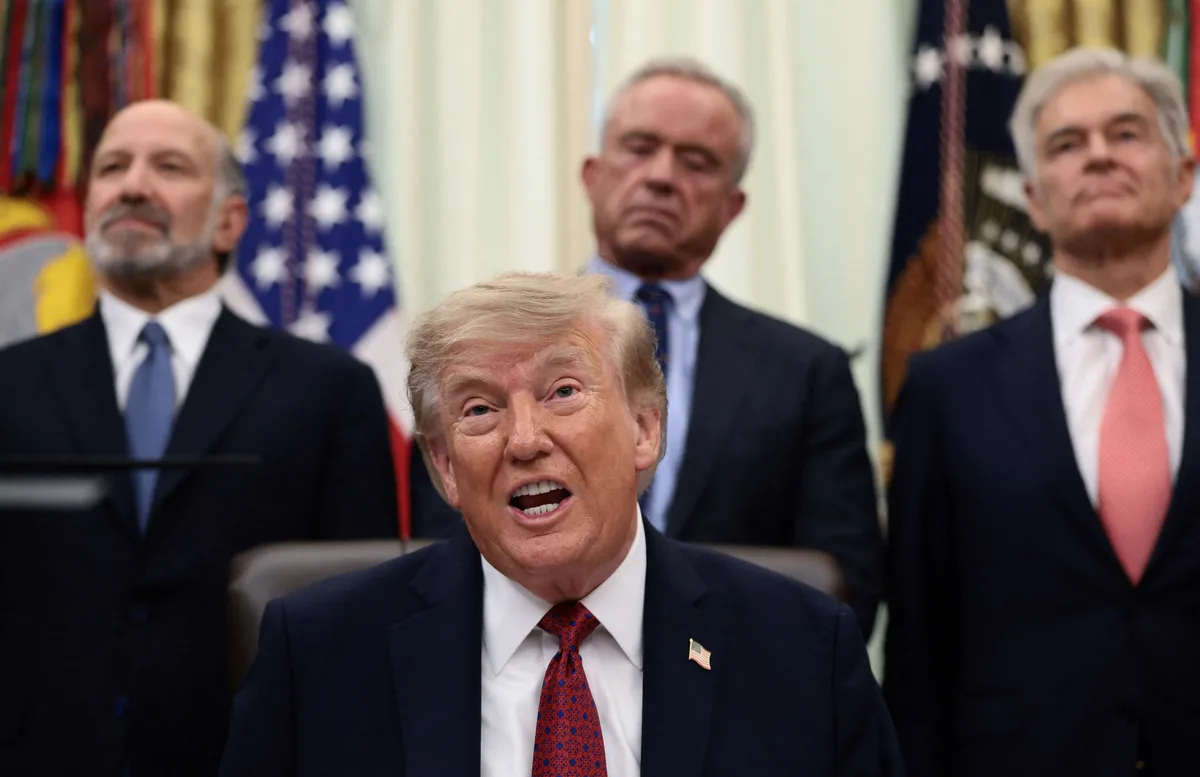
President Donald Trump declared this week that the United States economy could achieve growth of up to 20%, a figure that would shatter modern economic records and stands virtually unmatched in post-World War II American history. According to historical data, that level of GDP expansion has been reached only once since the end of the Second World War, making the forecast an extraordinary outlier by any conventional economic standard.
Trump paired his optimistic projection with a direct message to the Federal Reserve: do not raise interest rates in response to rapid economic expansion. The argument puts the president at odds with standard central bank thinking, which typically treats surging growth as a catalyst for inflation and responds with tighter monetary policy to keep prices in check.
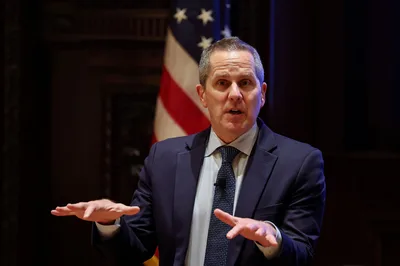
Read more Fed's Barr Warns of Rate Hike If Inflation Stays Elevated →
The push against rate hikes comes even as inflation continues to run above the Fed's established 2% target — the benchmark the central bank uses to gauge price stability. Critics of Trump's position argue that discouraging rate increases while inflation remains elevated risks entrenching higher prices deeper into the economy, undermining the purchasing power of American households.
Economists broadly view 20% GDP growth as an almost inconceivable target for a mature, large-scale economy like that of the United States, where annual growth in the 2%-4% range is considered healthy. Whether Trump's forecast is intended as a literal policy target or a rhetorical signal of ambition, it sets an aggressive benchmark that financial markets and policymakers will be watching closely in the months ahead.
Continue reading at US Top News and Analysis.