K, C, or E? Economists Debate the True Shape of Today's Economy
The once-dominant 'K-shaped' recovery narrative is fracturing as economists propose rival models to describe uneven post-pandemic growth.
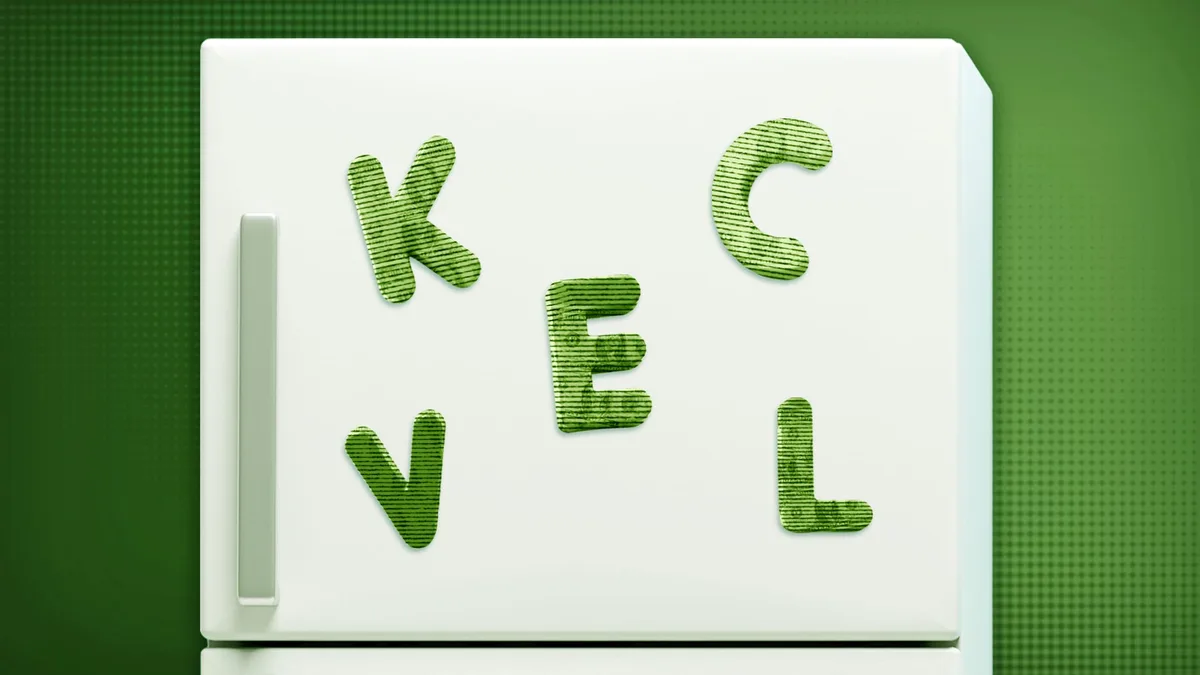
The economic consensus that defined the post-pandemic recovery is collapsing. For years, economists widely agreed the U.S. economy had taken a "K" shape — a split trajectory where wealthier households rebounded sharply upward while lower-income Americans fell further behind. That shared framework has now broken down, with analysts increasingly divided over which letter of the alphabet best captures where the economy actually stands.
The "K-shaped" model gained traction because it elegantly captured a visible divergence: asset prices soared, professional workers thrived in remote roles, and stock portfolios fattened, even as service-sector workers, renters, and hourly employees struggled with job losses and rising costs. It became shorthand for inequality baked into the recovery itself — a powerful narrative that shaped both policy debates and public perception.
Read more Iran Trade Slumps as Khamenei Pushes Dollar Alternatives →
But the arrival of competing letter-models — including "C" and "E" shaped frameworks — signals that economists are no longer satisfied with that single storyline. Each proposed shape reflects a different interpretation of where the recovery peaked, plateaued, or diverged further. The disagreement is not merely academic; the letter an economist chooses implies a very different set of prescriptions for monetary policy, fiscal support, and social safety nets.
The fracturing of the K-shaped consensus also reflects how dramatically the economic picture has shifted. Pandemic-era stimulus has faded, interest rates surged to multi-decade highs, inflation eroded real wages even among previously resilient earners, and labor markets have shown both unusual strength and pockets of acute stress simultaneously. No single trajectory captures all of that complexity cleanly.
What the debate ultimately reveals is that the post-pandemic economy has grown too contradictory and multi-layered for any one letter to contain. Economists are grappling with a landscape that resists easy metaphor — which may itself be the most honest description of where things stand. Continue reading at US Top News and Analysis.