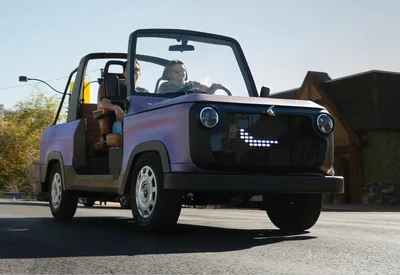
Tiny Electric LSVs Aim to Reshape Short-Trip Urban Travel
Electric low-speed vehicles occupy a niche between golf carts and full-size cars, and several companies are betting Americans are ready to adopt them.
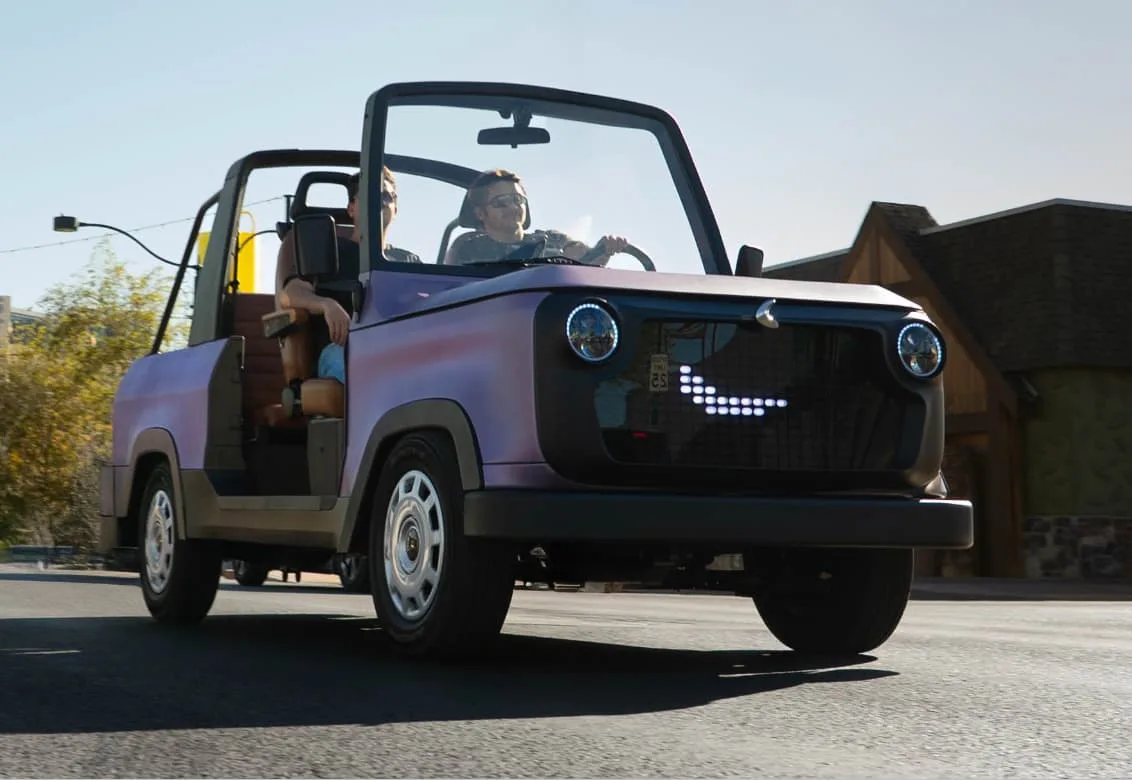
A new class of compact electric vehicles is quietly gaining traction on American roads, as manufacturers of low-speed vehicles — known as LSVs — make a calculated bet that drivers are open to downsizing for everyday short-distance trips. Positioned firmly between a traditional golf cart and a conventional light-duty car or truck, LSVs offer a stripped-down, energy-efficient alternative for commuters and neighborhood travelers who rarely need highway speeds.
The pitch is straightforward: for errands, campus commutes, retirement communities, or dense urban corridors, a full-size vehicle is often overkill. LSV makers argue that millions of Americans already make the bulk of their daily trips within a radius where a low-speed electric vehicle would perform perfectly well, without the cost or complexity of a standard automobile.
Read more Intuitive Machines Closes Goonhilly and COMSAT Acquisition →
The regulatory framework already accommodates these vehicles on public roads with speed limits typically up to 35 mph, meaning LSVs are not merely novelty items relegated to golf courses or gated communities. That legal access to public streets gives manufacturers a meaningful opening to market these vehicles as legitimate transportation options rather than recreational toys.
Still, consumer skepticism remains a real hurdle. Americans have long associated personal transportation with power, range, and the ability to merge seamlessly into highway traffic — characteristics LSVs are not designed to deliver. Convincing buyers to voluntarily accept those limitations, even for a vehicle used primarily around town, represents the core cultural challenge facing companies in this emerging segment.
Whether LSVs can cross from niche curiosity to mainstream acceptance may ultimately depend on pricing, infrastructure, and shifting attitudes toward urban mobility — factors that are all in motion simultaneously as the broader EV market continues to evolve. Continue reading at US Top News and Analysis