Private Credit Faces Stress Test as High Rates Squeeze Borrowers
Elevated interest rates are creating new pressure on private credit markets, putting already-strained borrowers at heightened risk of default.

Private credit markets are confronting a critical inflection point as persistently high interest rates squeeze borrowers who took on debt during a lower-rate environment — conditions that lenders never priced into their original underwriting models. The strain is emerging as one of the most significant tests the rapidly expanded asset class has faced since it surged in popularity following the 2008 financial crisis.
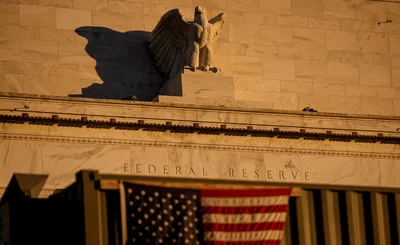
The core problem is structural: many private credit deals were structured when benchmark rates sat near historic lows, meaning borrowers' debt-service burdens have ballooned alongside the Federal Reserve's aggressive tightening cycle. Lenders and investors who poured capital into the space did so under assumptions that are now being challenged by a fundamentally different rate landscape.
Read more Chinese Humanoid Robot Startups Race Toward IPO Exits →
Industry insiders are candidly acknowledging the mismatch. The sentiment encapsulated by the phrase 'nobody underwrote for that' reflects a growing awareness among private credit managers that the current rate environment was not part of their risk models — a gap that could translate into rising borrower distress, covenant breaches, and potential losses for investors who viewed private credit as a stable, yield-rich alternative to public debt markets.
The pressure arrives at a moment when private credit has ballooned into a multi-trillion-dollar industry, attracting institutional investors, pension funds, and individual retail participants seeking higher returns. The scale of the asset class means that any systemic stress could have broader financial ripple effects beyond the niche corners where private lending originated.
Analysts warn that the coming months will reveal whether private credit managers have sufficient workout expertise and balance-sheet flexibility to navigate deteriorating borrower conditions — or whether the sector's rapid growth outpaced its risk management capabilities. Continue reading at US Top News and Analysis.