Japan's Takaichi Bets Fiscal Push Will Outpace Rising Debt Costs
Japan is sacrificing near-term revenue, wagering that a 370 trillion yen investment drive will accelerate growth faster than its debt bill climbs.
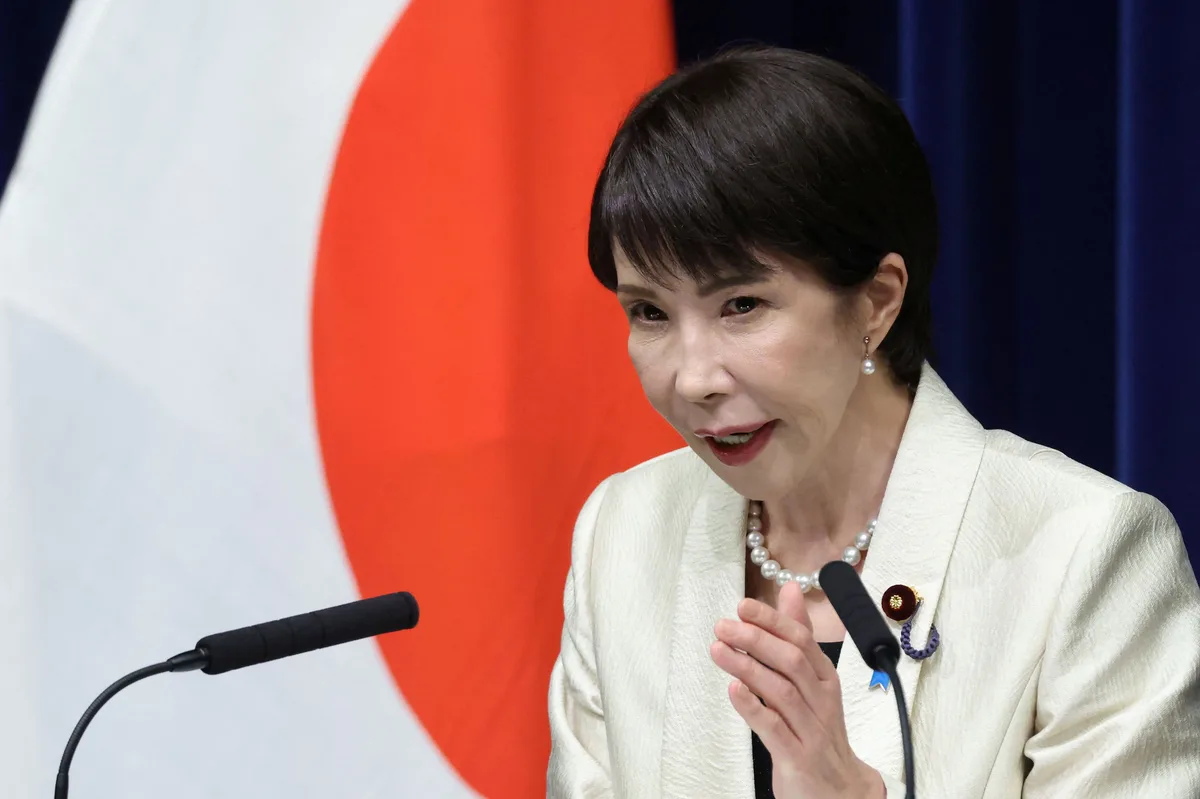
Japan is deliberately forgoing tax revenue today, betting that a massive 370 trillion yen public-private investment initiative will generate enough economic momentum to outrun the country's already-swelling interest obligations — a high-stakes gamble that puts fiscal hawk instincts squarely at odds with growth-first ambitions championed by Sanae Takaichi.
The strategy rests on a core premise: that stimulating household consumption and unleashing coordinated public and private capital will compound into GDP gains sufficient to justify the short-term hole in government finances. Takaichi, a leading voice in Japan's Liberal Democratic Party, has pushed this growth-before-austerity logic as a defining policy posture, arguing that tightening too soon risks smothering an economy still finding its post-deflation footing.
Read more Foreign Homebuyers Retreat from US Market, Luxury Segment Holds →
The political and economic tension here is real. Japan already carries one of the heaviest sovereign debt loads among developed nations, and rising global interest rates have begun to push the country's borrowing costs higher after years of near-zero yields. Every basis-point move upward translates into a materially larger interest bill on a debt stock measured in the hundreds of trillions of yen, meaning the window for the growth strategy to pay off is not indefinite.
Analysts watching Japan's fiscal trajectory will be scrutinizing whether the 370 trillion yen investment figure — spanning both government outlays and private sector commitments — can be deployed efficiently enough to shift the underlying growth rate before debt servicing costs crowd out other spending. The sequencing, not just the scale, will determine whether Takaichi's approach is vindicated or becomes a cautionary tale about expansionary policy in a high-debt environment.
Continue reading at US Top News and Analysis.