Japan Bets on Fiscal Stimulus to Outrun Rising Interest Costs
Tokyo is sacrificing near-term revenue to fuel growth through massive public-private investment, even as Japan's interest bill climbs.
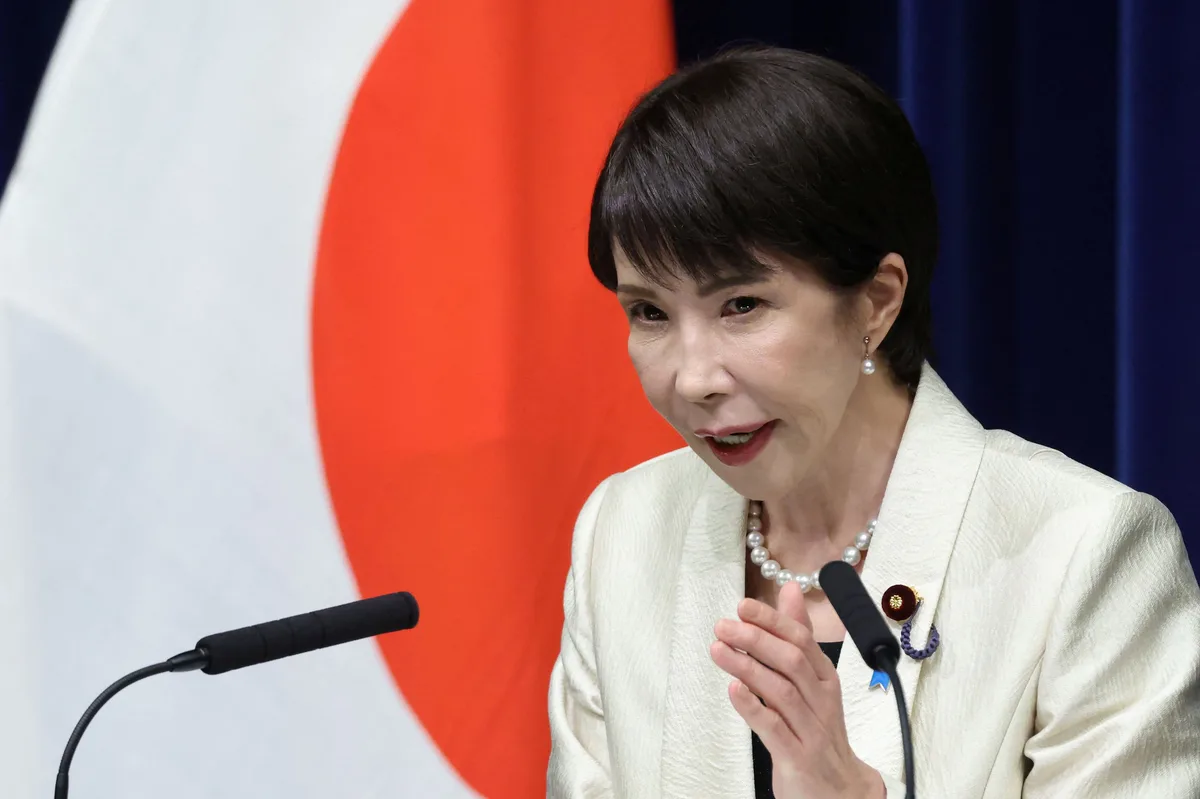
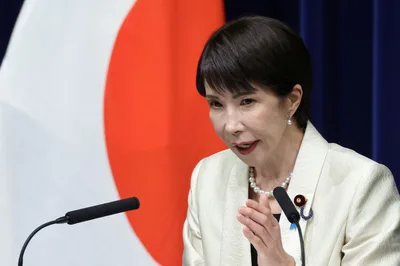
Japan is making a high-stakes fiscal wager: forfeit tax revenue today in exchange for an economic growth surge tomorrow, driven by a 370 trillion yen public-private investment push championed by politician Sanae Takaichi. The strategy hinges on the belief that stronger consumer spending and accelerated capital deployment can generate enough economic momentum to justify the upfront cost to public finances.
The gamble arrives at a delicate moment for Tokyo. Japan's interest payments are already climbing as the Bank of Japan edges away from its decade-long ultra-loose monetary policy stance, meaning the government faces a tightening fiscal squeeze even before the full impact of any stimulus package is felt. Critics argue that expanding spending while borrowing costs rise is a compounding risk that could strain the country's already-elevated debt load.
Read more Foreign Homebuyers Retreat from US Market, Luxury Segment Holds →
Proponents of the Takaichi approach counter that stagnation is the bigger danger. Japan has wrestled with sluggish domestic demand for years, and supporters contend that a coordinated public-private investment framework of this scale could break that cycle, lifting wages, corporate investment, and consumption in a self-reinforcing loop. The 370 trillion yen figure represents an ambitious mobilization of both government funds and private-sector capital over time.
The core tension in the debate is timing. Fiscal stimulus takes months or years to fully filter through an economy, while interest costs accrue immediately. Whether faster nominal growth materializes quickly enough to offset a rising debt-servicing burden will be the defining test of this strategy — and of Takaichi's political credibility on economic policy.
Continue reading at US Top News and Analysis