Iran Uses Strait of Hormuz Shutdown as Leverage in US Nuclear Talks
Ship traffic through the Strait of Hormuz has stalled again as Iran weaponizes control of the waterway to extract concessions from Washington.
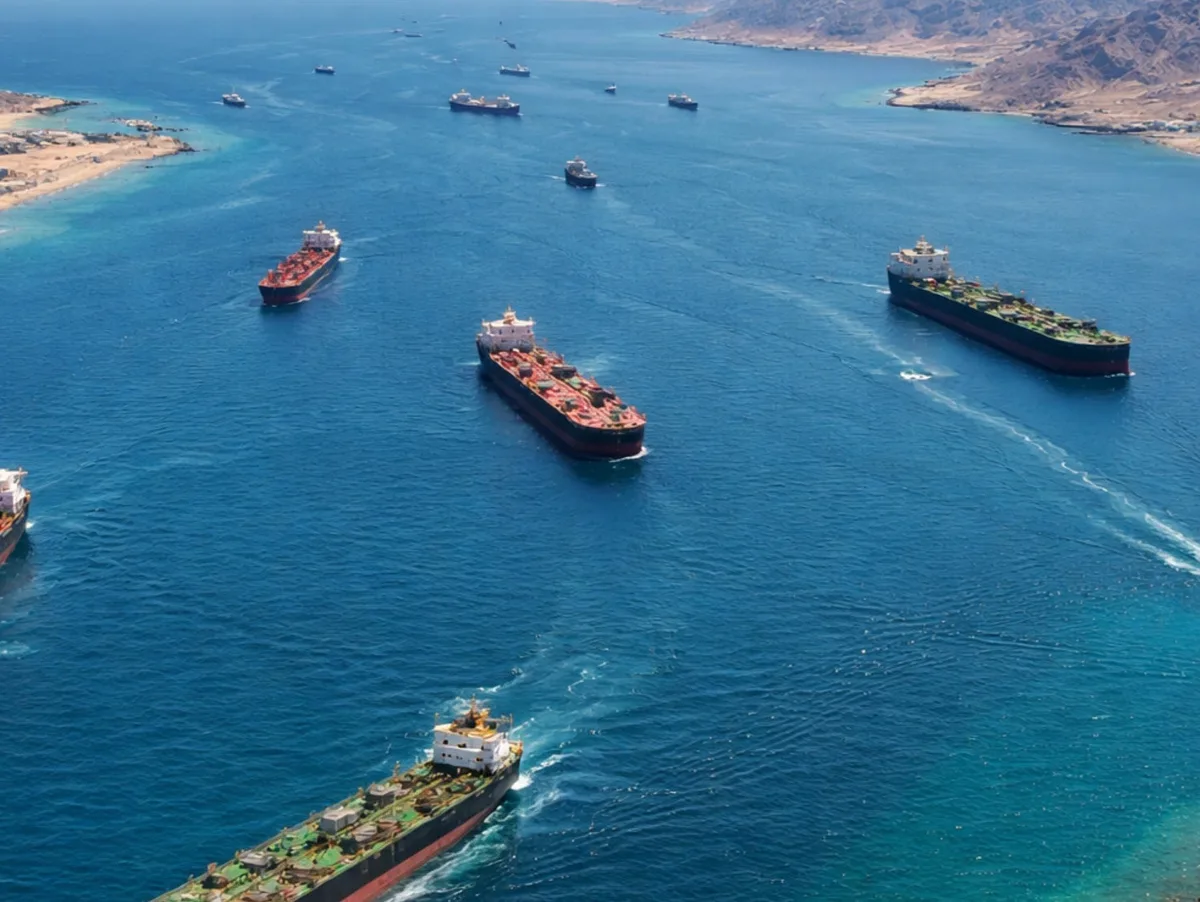
Iran has effectively halted shipping through the Strait of Hormuz in a calculated pressure campaign against the United States, deploying its most powerful geopolitical weapon — control of the world's most critical oil chokepoint — to force greater concessions in ongoing nuclear negotiations. The move comes days after President Trump declared the deal "over," only to walk back that statement by suggesting the other side was eager to negotiate, a signal analysts read as a de-escalation cue.
Tehran's strategy appears deliberately two-pronged. By targeting vessels along the strait, Iran simultaneously reminds Washington of its irreplaceable leverage and reserves the right to cite any US military response as grounds to suspend or cancel talks outright. The tactic effectively gives Iran a built-in off-ramp at any moment it chooses, prolonging the negotiating timeline indefinitely while the global economy absorbs the shock.
Read more South Korea's Kospi Drops Into Bear Market After 5% Single-Day Plunge →
The broader objective, according to this analysis, is to buy time and sustain pressure until the US agrees to expanded sanctions relief and the release of frozen Iranian funds. Iran's playbook involves cycling the strait between apparent openings and renewed closures — then blaming Washington for any breakdown — keeping adversaries perpetually off-balance and markets perpetually anxious.
Oil markets are currently masking the severity of the disruption, drawing on existing stockpiles to maintain surface-level stability. But that cushion is finite, and analysts warn that global supply chains are already quietly buckling under constrained raw material flows and creeping price increases. The real danger, the argument goes, is that markets are dangerously underpricing the risk of a sudden, sharp reckoning.
With US midterm elections on the horizon, Trump faces a narrowing window of political comfort — lower oil prices today give him room to hold firm, but a price spike could rapidly shift the domestic calculus and hand Tehran additional bargaining power. The Strait of Hormuz, controlling roughly a fifth of global oil flows, remains Iran's single most effective instrument of coercion in a conflict that shows no sign of resolution. Continue reading at Forexlive.