Goldman Sachs, Others Tackle Prediction Market Insider Trading Rules
Wall Street firms are scrambling to update employee trading policies as prediction markets raise new insider trading concerns.
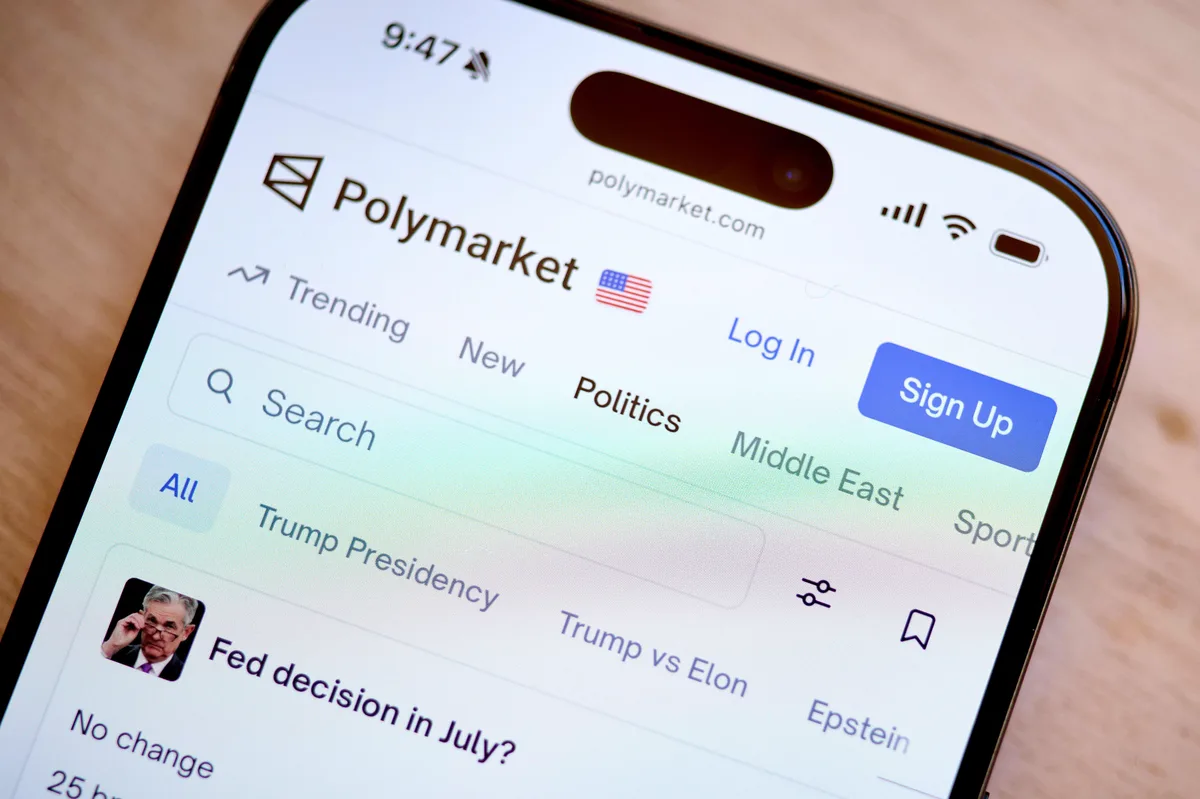
Prediction markets are forcing some of the biggest names in American finance and business to confront a regulatory blind spot: whether employees can legally trade on platforms that let users bet on real-world outcomes — including events their own employers may influence. CNBC contacted 50 companies to find out what trading policies, if any, govern employee participation in these markets, and the results revealed a striking lack of preparedness across corporate America.
Goldman Sachs is among the firms that have moved to address the issue, signaling that the financial giant is treating prediction market activity with the same seriousness it applies to traditional securities trading. The concern is straightforward — an employee with access to material, nonpublic information could theoretically profit by wagering on outcomes tied to that knowledge, sidestepping existing securities laws that were never written with prediction markets in mind.
Read more South Korea's Kospi Drops Into Bear Market After 5% Single-Day Plunge →
Despite CNBC's broad outreach to five dozen major companies, only a handful were able to provide a clear, defined policy on the matter. The majority either declined to comment or indicated they had not yet formalized guidelines, underscoring how quickly prediction markets have grown in prominence and how slowly corporate compliance infrastructure has moved to keep pace.
The gap between market growth and policy development is raising alarms among legal and compliance experts who warn that the absence of explicit rules creates ambiguity for employees and potential liability for firms. As these platforms become more mainstream — covering everything from election outcomes to economic data releases — the pressure on companies to establish clear guardrails is intensifying.
The episode highlights a broader regulatory challenge: financial innovation consistently outpaces the rule-making designed to govern it, leaving companies, employees, and watchdogs in a prolonged game of catch-up. Continue reading at US Top News and Analysis.