XLV vs. IBBQ: Choosing Between Healthcare ETFs in 2024
Investors weighing broad healthcare exposure against pure biotech growth face a classic risk-reward tradeoff between XLV and IBBQ.
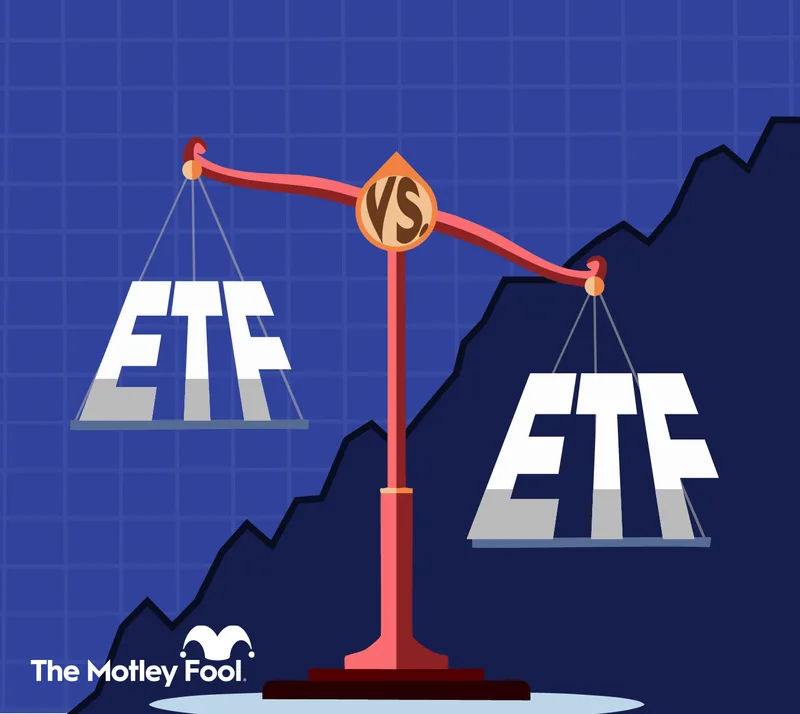
Investors seeking shelter or growth in the healthcare sector are increasingly pitting two exchange-traded funds against each other: the Health Care Select Sector SPDR Fund (XLV) and the Nasdaq Biotechnology ETF (IBBQ). The choice between them encapsulates one of the most fundamental decisions in portfolio construction — stability versus upside potential.
XLV offers broad exposure across the entire healthcare sector, holding major pharmaceutical companies, health insurers, medical device makers, and hospital operators. That diversification tends to act as a ballast during market turbulence, making XLV a common destination for conservative investors who want healthcare in their portfolio without concentrating heavily in any one subsector.
Read more Oceaneering Posts Best EBITDA Since 2015 Amid Insider Selling →
IBBQ, by contrast, zeroes in on biotechnology — a corner of healthcare notorious for dramatic price swings tied to clinical trial results, FDA decisions, and acquisition rumors. The potential rewards can be substantial when a pipeline drug wins approval or a company becomes a buyout target, but losses can be equally sharp when trials fail or regulatory setbacks hit.
The analytical tension between these two funds reflects a broader debate playing out across the investment landscape: whether the current environment — marked by elevated interest rates, uncertain consumer spending, and ongoing innovation cycles — favors defensive positioning or aggressive growth bets. Biotech, historically sensitive to rate movements and risk appetite, faces headwinds that broad healthcare largely sidesteps through its diversified holdings in more stable, cash-generating businesses.
For investors deciding between the two, the answer likely hinges on time horizon, risk tolerance, and conviction in near-term biotech catalysts. A blended approach using both funds remains an option for those unwilling to choose sides entirely. Continue reading at Yahoo Finance.