Why U.S. Markets Keep Defying the 'Sell America' Narrative
Foreign capital continues flowing into U.S. assets despite bearish calls, and the dollar holds firm as the world's reserve currency.
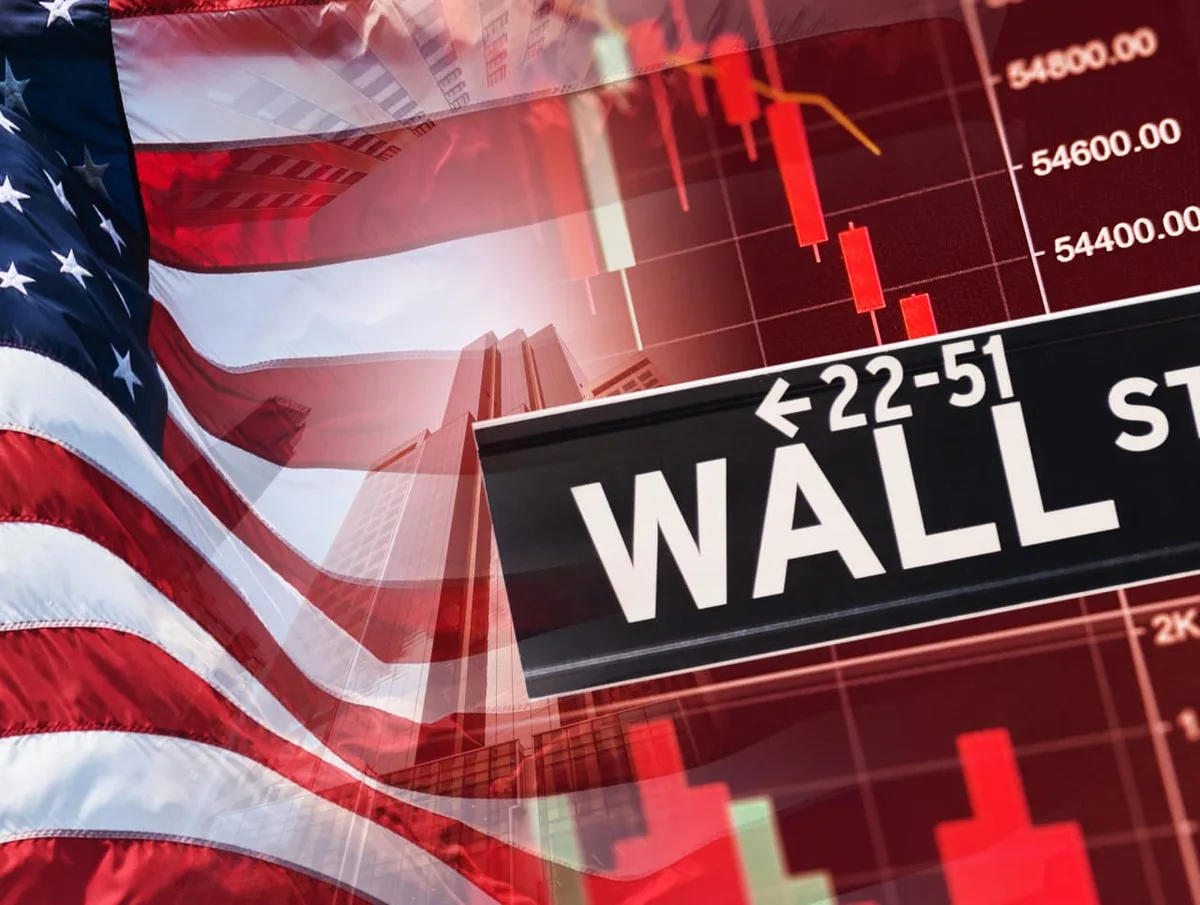
Despite a chorus of analysts predicting a prolonged retreat from American markets, foreign investors are continuing to channel capital into U.S. assets, and the dollar is maintaining its dominance as the world's premier reserve currency — undermining the so-called 'Sell America' trade that gained traction among some market pessimists.
The 'Sell America' narrative emerged as a bearish thesis suggesting that geopolitical friction, elevated U.S. debt levels, and shifting global alliances would prompt international investors to rotate away from dollar-denominated holdings. So far, that rotation has failed to materialize in any sustained or structurally significant way, with overseas money managers continuing to treat U.S. equities and Treasuries as foundational portfolio holdings.
Read more BofA Keeps Apple Buy Rating, Sees AI Shift Sparking Upgrades →
The dollar's resilience is particularly telling. As the undisputed global reserve currency, the greenback functions as the backbone of international trade settlement and central bank reserves worldwide. A genuine 'Sell America' moment would almost certainly register in the foreign-exchange market first — yet the dollar has not shown the kind of persistent weakness that would validate a mass exodus from U.S. assets.
Analysts watching these capital flows argue that the structural advantages underpinning American markets — deep liquidity, rule of law, and the sheer size of U.S. equity and debt markets — make credible alternatives difficult to identify quickly. Europe, Japan, and emerging markets each carry their own macro risks that complicate any straightforward shift in global allocations.
For now, the evidence suggests that reports of America's financial decline have been greatly exaggerated, and investors betting against U.S. markets have repeatedly found themselves on the wrong side of the trade. Continue reading at MarketWatch.com