US and Allies Target China's Grip on Critical Minerals
Washington and allied nations are accelerating efforts to secure alternative supply chains for critical minerals and rare earths amid China's dominance.
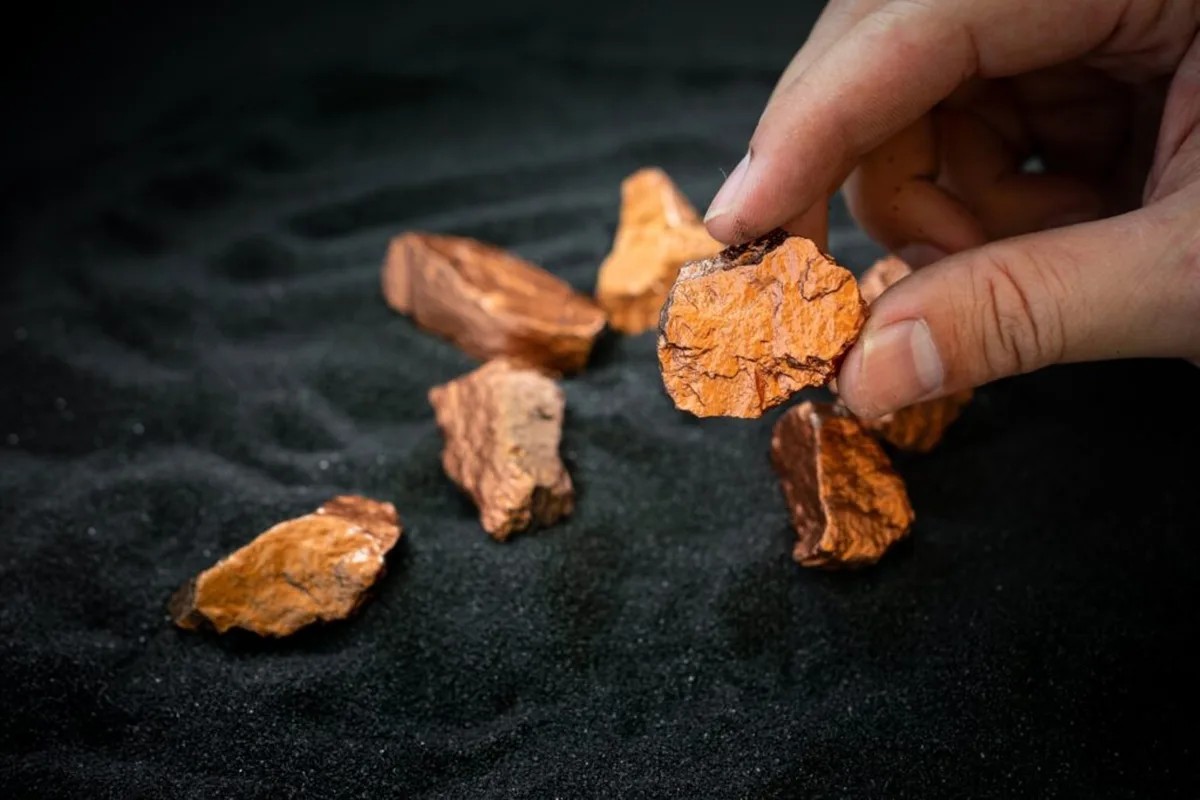
The United States and its key allies are moving aggressively to reduce their dependence on China for critical minerals and rare earth elements, materials that are essential to artificial intelligence infrastructure, advanced electronics, and modern defense systems. The coordinated push reflects growing alarm in Washington and allied capitals over the strategic vulnerability created by China's outsized control over global supply chains for these resources.
Critical minerals and rare earths underpin the hardware that powers AI data centers, semiconductor manufacturing, electric vehicles, and military technology. China has long dominated the mining, processing, and export of these materials, giving Beijing significant leverage over economies that rely on them. The latest allied initiative signals a recognition that dependence on a single geopolitical rival for inputs this vital represents an unacceptable national and economic security risk.
Read more Germany Eyes Retirement Age of 70 — Could the U.S. Do the Same? →
The coordinated effort among the US and its partners aims to diversify sourcing, invest in domestic processing capacity, and build resilient supply networks that can withstand potential export restrictions or geopolitical disruptions. Analysts note that strengthening these supply chains is not simply an economic exercise — it is a direct pillar of the broader competition between Western democracies and China over technological leadership and AI supremacy.
While the specific policy mechanisms and partner nations involved were not fully detailed, the move fits into a broader pattern of allied action that includes trade agreements, joint investment frameworks, and targeted industrial policy designed to onshore or nearshore critical mineral supply chains away from Chinese control. The urgency has only intensified as AI infrastructure investment accelerates globally and demand for the underlying materials surges.
Continue reading at Benzinga.