U.S. Jet Fuel Costs Surge as Iran Conflict Squeezes Airlines
Rising tensions involving Iran are driving jet fuel prices higher, putting fresh pressure on U.S. airline margins and fares.
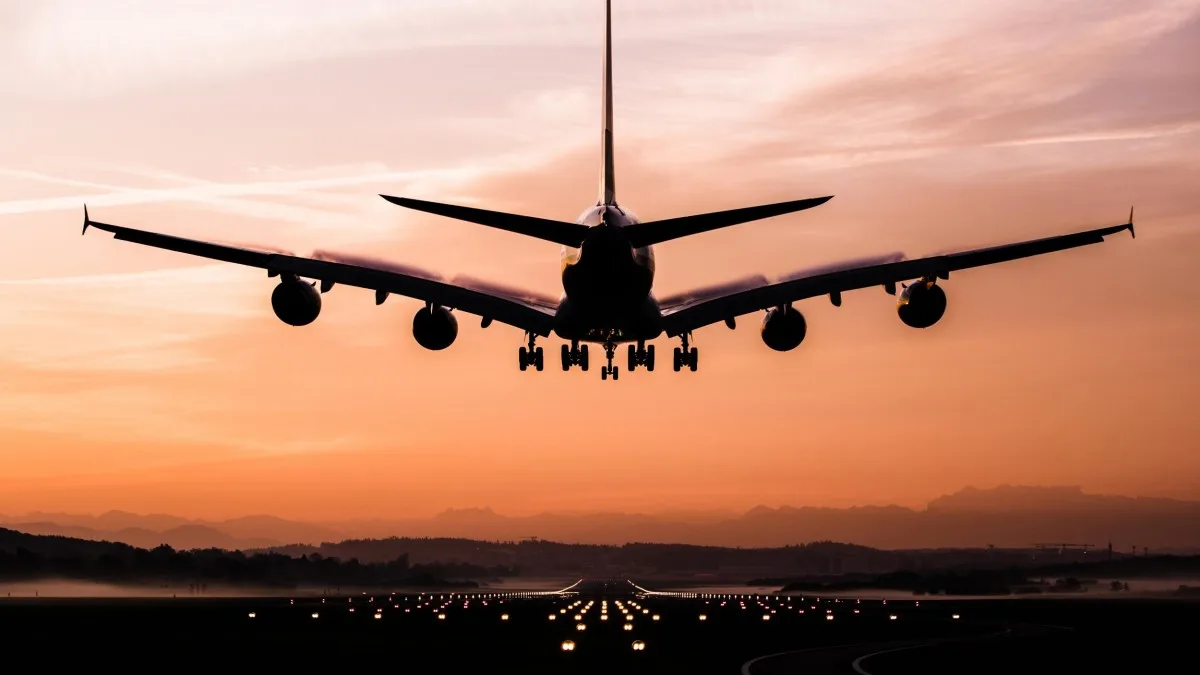
U.S. airlines are facing a renewed financial squeeze as jet fuel costs climb sharply amid escalating tensions involving Iran, threatening profit margins across the domestic aviation industry. The geopolitical instability has rattled energy markets, pushing fuel prices — one of the single largest operating expenses for carriers — to uncomfortable levels that analysts warn could ripple through to consumers at the ticket counter.
Jet fuel costs have long been the variable most capable of upending airline profitability, and the current spike tied to Middle East tensions follows a pattern the industry has weathered repeatedly over the past two decades. When crude oil benchmarks surge on conflict fears, refined aviation fuel tends to amplify those moves, leaving carriers with limited short-term options beyond hedging strategies or passing costs along to passengers.
Read more 63-Year-Old Retail Chain Warns of Chapter 11 After 80 Store Closures →
The timing is particularly challenging for U.S. airlines, which had been cautiously optimistic about demand trends and fare stability heading into the summer travel season. A sustained fuel price increase could force carriers to revisit capacity plans, trim less profitable routes, or accelerate surcharge programs that effectively transfer the burden to travelers already navigating elevated airfare.
While the full economic impact on individual carriers depends heavily on their fuel-hedging positions and route mix, the industry-wide exposure is substantial. Airlines with thinner cash reserves or less sophisticated hedging programs are likely to feel the pressure first, potentially triggering a wave of earnings guidance revisions as the situation develops.
Continue reading at Yahoo Finance.