U.S.-Iran Deal Sparks Renewed Strait of Hormuz Tensions
Conflicting interpretations of a U.S.-Iran memorandum of understanding have reignited disputes over control of the critical Strait of Hormuz.
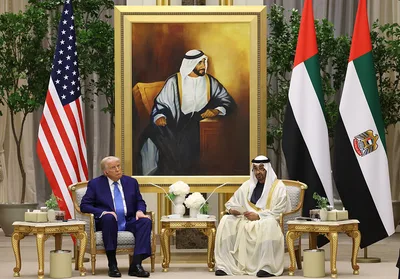
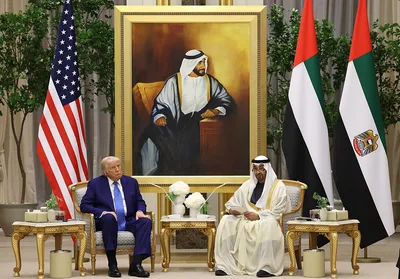
A diplomatic memorandum of understanding between the United States and Iran has backfired, triggering renewed hostilities over the Strait of Hormuz after both nations emerged from negotiations with sharply divergent readings of what the agreement actually requires, according to US Top News and Analysis.
The core conflict stems from contradictory interpretations of the deal's terms. Washington and Tehran each appear to believe the memorandum supports their own strategic position over the strait, one of the world's most critical maritime chokepoints through which a significant share of global oil shipments pass. That disconnect has proven combustible, transforming what was intended as a diplomatic breakthrough into a fresh flashpoint.
Read more New Hampshire Council Rejects $100M Bitcoin Bond Proposal →
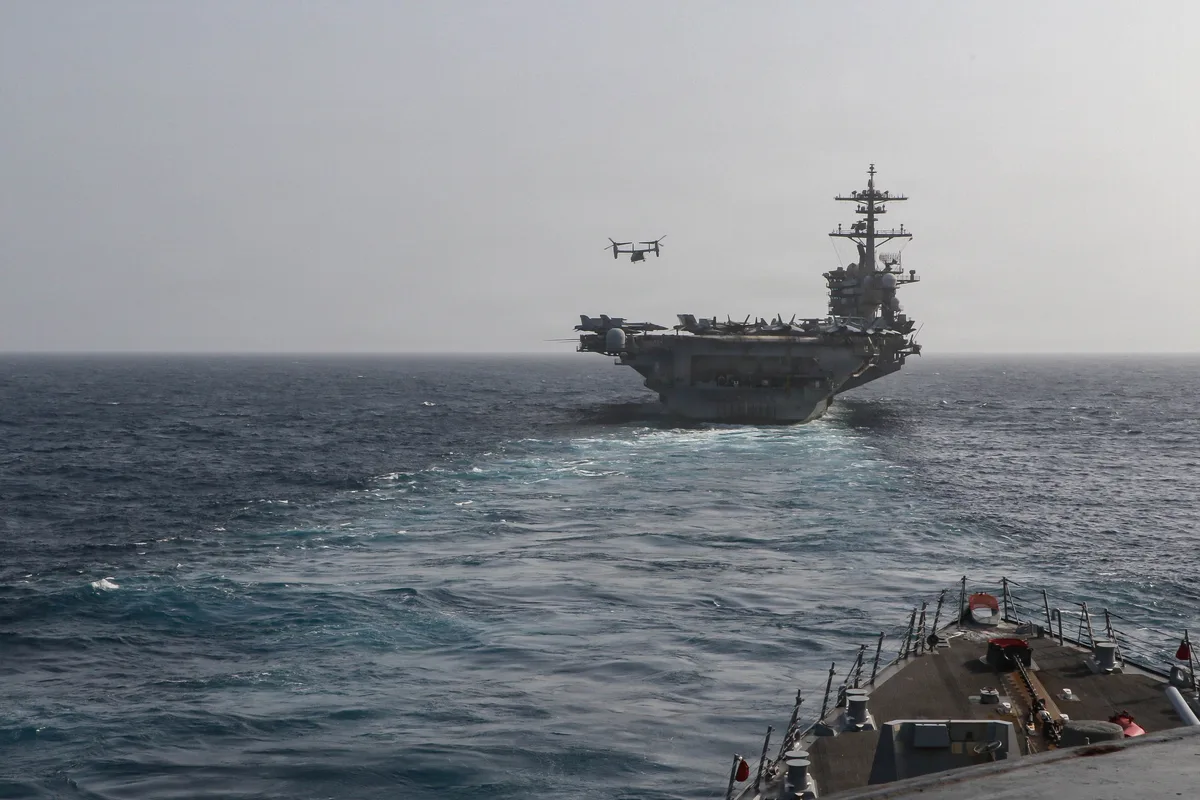
The Strait of Hormuz has long been a pressure point in U.S.-Iran relations, with Tehran periodically threatening to restrict passage and American naval forces maintaining a presence to keep the waterway open. When diplomatic agreements contain ambiguous or disputed language, historical patterns suggest both sides tend to act unilaterally on their preferred interpretation — often escalating rather than resolving underlying tensions.
The renewed fighting over the strait carries serious implications for global energy markets and regional stability. Any disruption to shipping lanes in the Strait of Hormuz can send oil prices surging and raise alarm among U.S. allies in the Gulf. Analysts watching the situation will be closely monitoring whether back-channel communications between Washington and Tehran can contain the escalation before it deepens further.
Continue reading at US Top News and Analysis.