Trump Targets Iran's Trade Lifelines: Most Exposed Nations
Washington's 'economic D-Day' threat puts pressure on a handful of governments that handle the bulk of Iran's remaining foreign trade.
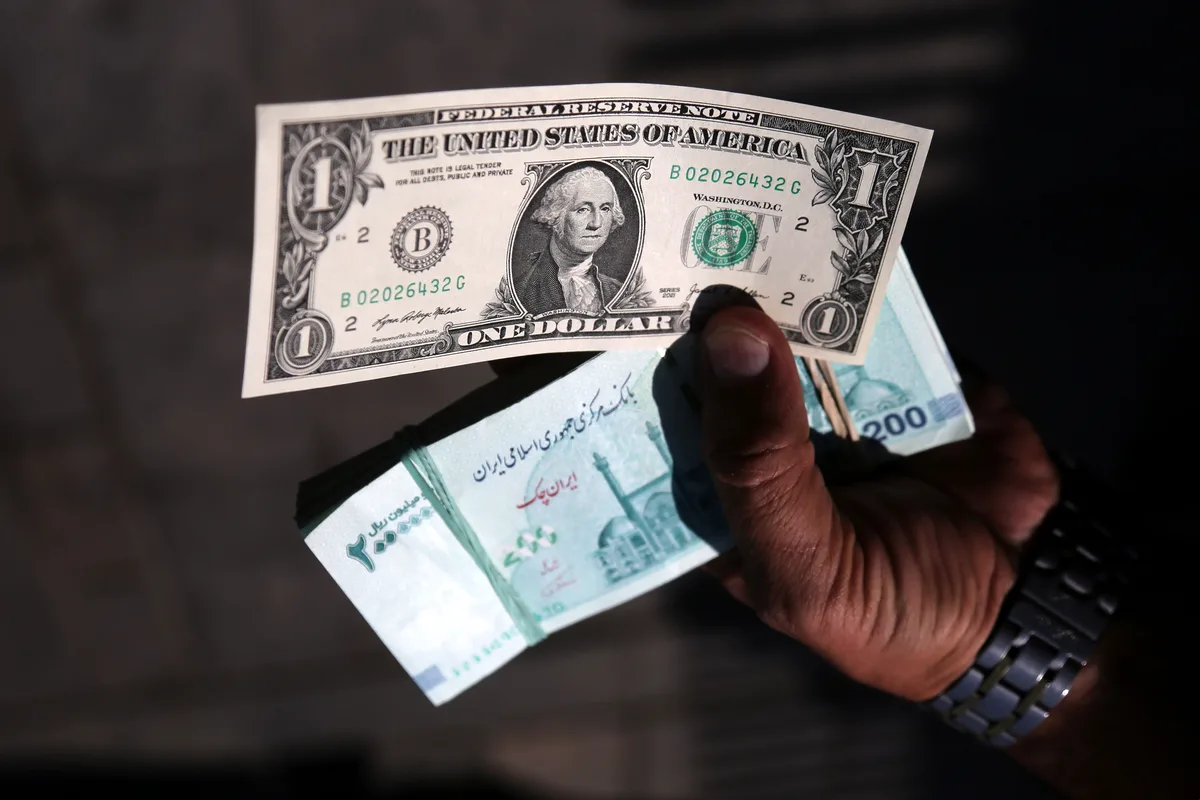
The Trump administration has set its sights on Iran's last remaining trade arteries, threatening what officials have dubbed an "economic D-Day" designed to sever the financial lifelines keeping Tehran's economy afloat. The pressure campaign zeroes in on a small cluster of countries that together account for the overwhelming majority of Iran's surviving foreign commerce, raising the stakes for governments caught between Washington's demands and their own economic interests.
Iran's trade network has already been dramatically compressed by years of successive sanctions, leaving only a handful of willing partners still conducting meaningful cross-border business with Tehran. Those remaining relationships now face direct scrutiny from the White House, which has signaled it intends to hold trading partners accountable through secondary sanctions — penalties that can cut foreign firms off from the U.S. financial system if they continue doing business with Iran.
Read more Chinese State Hackers Breached Fed, NASA, DOJ Networks →
The approach represents a significant escalation in economic warfare strategy, moving beyond direct sanctions on Iranian entities toward punishing third-party nations and companies that sustain Tehran's commercial activity. Analysts note that this strategy places enormous diplomatic strain on relationships that Washington must simultaneously manage across other geopolitical fronts, creating a complex balancing act for U.S. foreign policy.
For the exposed governments, the choice is stark: maintain profitable trade ties with Iran and risk U.S. financial penalties, or comply with Washington's pressure and absorb the economic cost of cutting off a trading partner. The outcome of that calculation, multiplied across several key nations, will largely determine whether Trump's economic pressure campaign achieves its stated objectives against Tehran.
Continue reading at US Top News and Analysis.