Trump's Foreign Real-Estate Licensing Income Nearly Doubles, Adding Qatar and Romania
President Trump's real-estate licensing revenue from foreign countries nearly doubled, with new deals emerging in Qatar and Romania, raising ethics alarms.
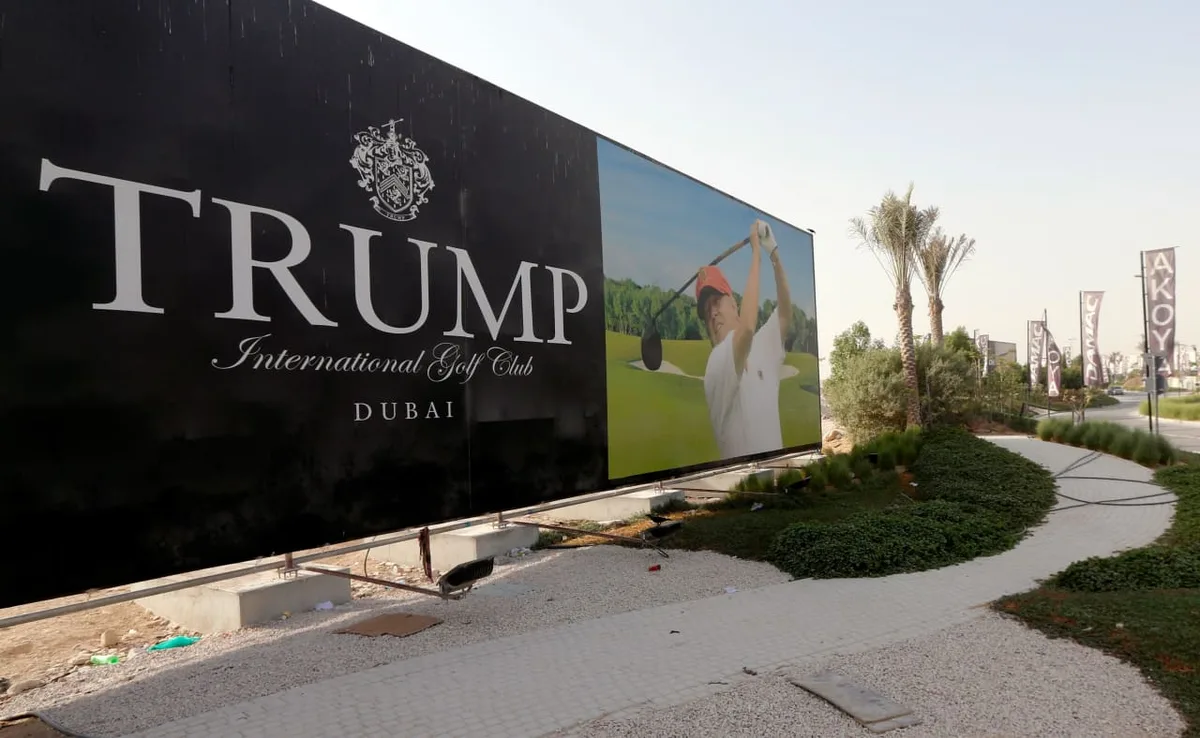
President Donald Trump's income from real-estate licensing agreements in foreign countries nearly doubled in the latest reporting period, with Qatar and Romania appearing as new additions to his international business portfolio, according to a MarketWatch review of financial disclosures. The expansion marks a notable escalation in the sitting president's overseas commercial activity at a time when his administration is actively engaged in diplomacy with several of those same nations.
At least one prominent ethics watchdog has expressed "grave concerns about the president doing business in foreign countries," warning that the arrangement creates potential conflicts of interest between Trump's private financial interests and U.S. foreign policy objectives. Licensing deals, which allow developers abroad to attach the Trump brand to properties in exchange for fees and royalties, can generate significant passive income without requiring direct operational involvement.
Read more India Sends Minister and Governor to Khamenei Funeral →
The inclusion of Qatar is particularly notable given the Gulf nation's elevated geopolitical profile and its ongoing strategic relationship with Washington, including its role as a key U.S. military hub in the Middle East. Romania's appearance on the list adds a European dimension to Trump's foreign licensing footprint that had not previously been publicly reported.
Ethics experts have long argued that the Emoluments Clause of the U.S. Constitution restricts presidents from receiving payments from foreign governments or entities connected to them, though enforcement of that provision has proven legally and politically complicated throughout Trump's time in office. The expansion of foreign licensing income intensifies scrutiny of whether adequate safeguards exist to separate presidential decision-making from personal financial gain.
Continue reading at MarketWatch.com