Tokenization Could Power Personalized Portfolios, NYLIM Says
A New York Life Investments executive says tokenization's next frontier is delivering custom portfolios at scale for everyday investors.
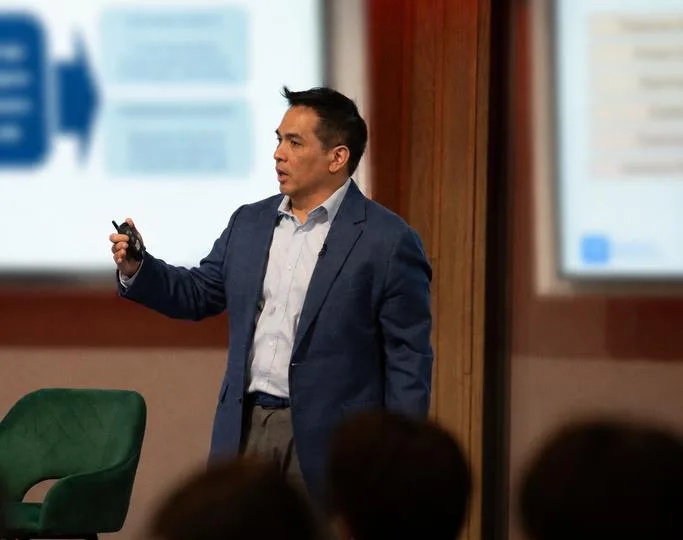
Tokenization — the process of representing real-world assets as digital tokens on a blockchain — is moving beyond its early applications in bonds and money-market funds toward a more ambitious goal: personalized investment portfolios built for individual investors, according to a senior executive at New York Life Investment Management (NYLIM).
The executive's comments reflect a broader shift in how asset managers are thinking about blockchain technology. Rather than simply digitizing existing instruments for efficiency gains, firms are now exploring whether tokenization can unlock a level of customization previously reserved for ultra-high-net-worth clients, bringing tailored portfolio construction within reach of a much wider investor base.
Read more AI Bubble Fears and K-Shaped Economy Weigh on Investors →
Personalized portfolios — sometimes called direct indexing — have historically required significant minimum investments and manual account management, limiting access to wealthy individuals. Tokenization could theoretically lower those barriers by automating the fractional ownership of dozens or hundreds of assets, allowing smaller investors to hold custom-weighted baskets that reflect their specific tax situations, values, or risk tolerances.
The remarks underscore growing institutional confidence in tokenized finance, even as the broader crypto market remains volatile. Major asset managers, custodians, and fintech firms have all accelerated pilots and product launches tied to tokenized assets over the past two years, signaling that the technology is graduating from proof-of-concept to practical deployment.
Whether personalized tokenized portfolios reach mainstream investors will depend on regulatory clarity, custodial infrastructure, and client education — challenges the industry has not yet fully resolved. Continue reading at CoinDesk.