Stock Market Rotation Shifts Focus Away From AI Boom Stocks
Investors are moving money out of AI-driven hyperscaler stocks and into other market sectors, signaling a potential near-term shift in market leadership.

Wall Street is watching a notable sector rotation unfold as money flows out of the artificial intelligence darlings that dominated recent market cycles and into previously overlooked corners of the stock market. Hyperscalers and other high-flying AI boom stocks appear to be ceding their role as the primary engines of market gains, at least for now, according to recent trading patterns tracked by Yahoo Finance.
The shift is significant because AI-linked equities — from chip manufacturers to cloud computing giants — have commanded outsized investor attention and capital for much of the past two years. When those stocks begin losing relative momentum, it typically signals that institutional investors are rebalancing portfolios and reassessing near-term risk-reward dynamics across the broader market.
Read more Mag 7 Stocks Now a Drag That Could Pull S&P 500 Down 30% →
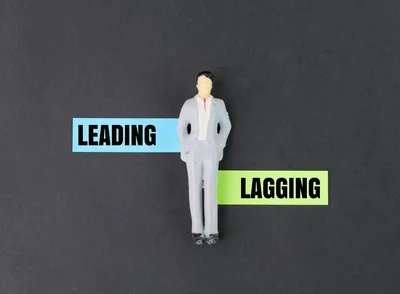
Sector rotation is a well-established market phenomenon in which capital moves from outperforming groups into lagging ones, often reflecting changes in the macroeconomic outlook, interest rate expectations, or simply profit-taking after extended rallies. The current rotation suggests some investors believe the AI trade may be maturing or at minimum pausing, even if the long-term investment thesis remains intact.
Whether this represents a temporary breather for AI stocks or the beginning of a more sustained leadership change remains an open question. Analysts will be closely watching upcoming earnings reports, Federal Reserve signals, and broader economic data to determine whether the rotation has staying power or whether AI names reclaim their market-leading status in the weeks ahead.
Continue reading at Yahoo.