Single-Stock ETFs Push Leverage Limits in Evolving ETF Market
The ETF market has shifted from low-cost index funds to high-risk single-stock products, with SK Hynix illustrating how leverage may be getting out of hand.
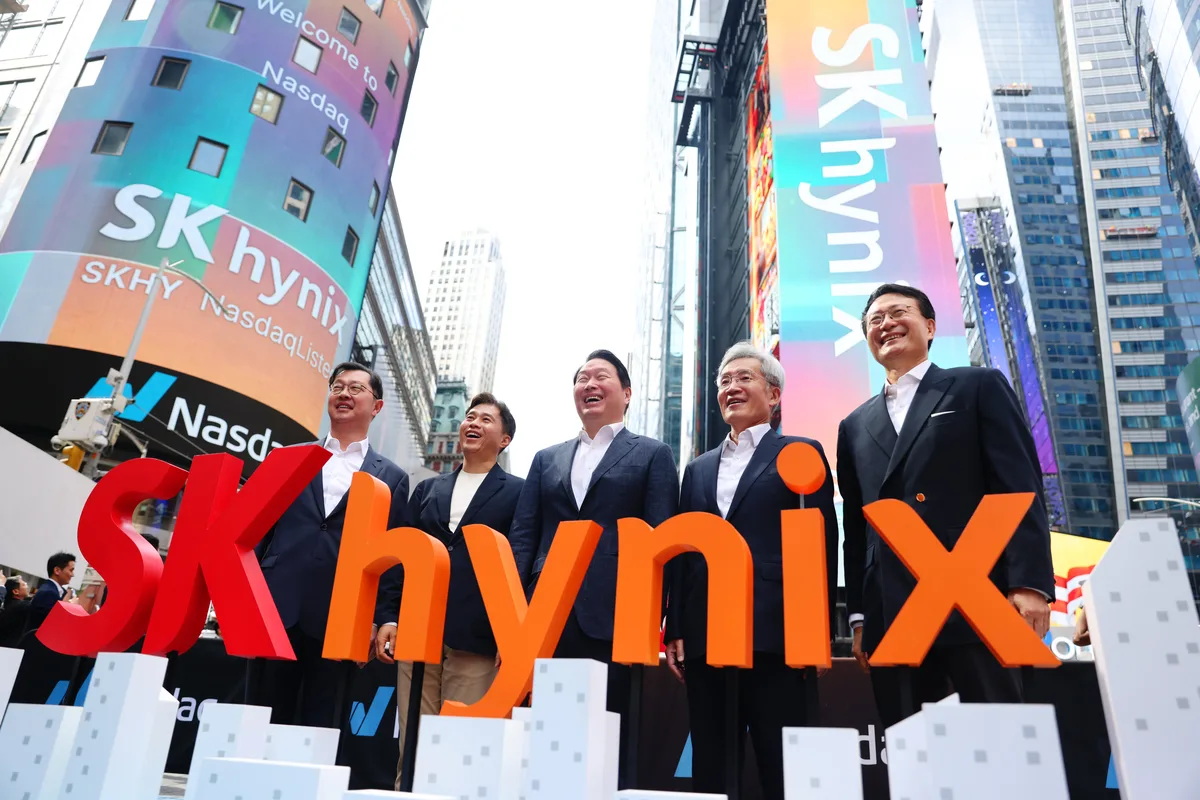
The ETF industry, long celebrated for delivering low-cost, tax-efficient index exposure to everyday investors, is now testing the boundaries of how much leverage the market can responsibly absorb. SK Hynix has emerged as the latest flashpoint in a growing debate over whether single-stock leveraged ETFs have pushed financial engineering too far, too fast.
The original promise of the ETF wrapper was simplicity and accessibility — broad market exposure at minimal cost. That model fueled decades of explosive growth and democratized investing for millions of Americans. But a newer generation of products has pivoted sharply toward concentrated, amplified bets on individual companies, a strategy that critics argue fundamentally distorts the structure's original purpose.
Read more Meta Stock Surges to Best Week Since Early 2024 on AI Optimism →
Single-stock ETFs tied to names like SK Hynix exemplify the trend, offering retail investors magnified exposure to a single security's daily price swings. Proponents argue these instruments give sophisticated traders a flexible, liquid tool. Skeptics counter that leverage at this level, applied to a single stock rather than a diversified basket, introduces volatility and systemic risk that the market may not be fully pricing in.
Industry observers have begun sounding alarms that enthusiasm for leverage in the ETF space is getting, in the words of at least one market watcher, "a little carried away." The concern is not merely philosophical — leveraged single-stock products can experience dramatic compounding losses over time, a dynamic that may not be well understood by all buyers entering the market.
As regulators and market participants watch the proliferation of these products, the SK Hynix episode underscores a broader structural question about where the ETF industry's risk appetite ends and investor protection begins. Continue reading at US Top News and Analysis.