Record Diesel Prices Hit Transport, Threaten Broader Economy
Diesel costs have surged to record highs, hammering trucking and rail sectors first — with wider economic pain likely if energy prices hold.
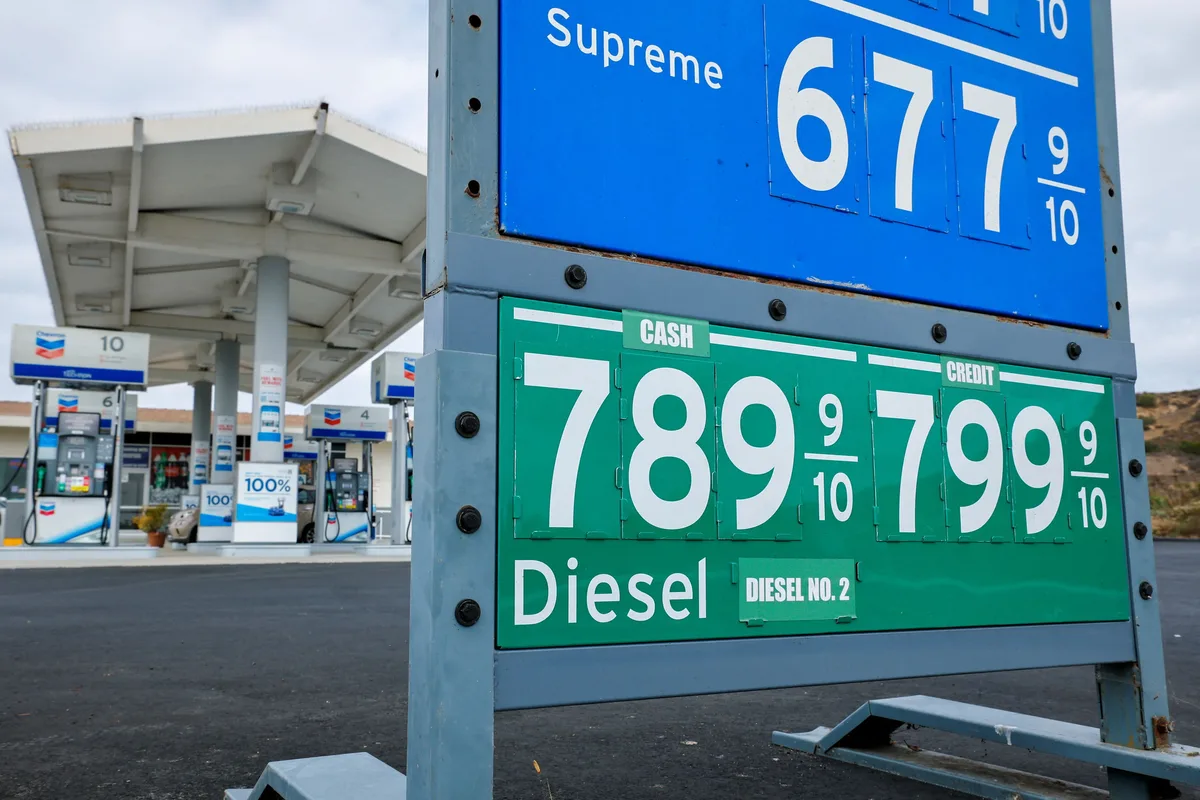
Record diesel prices are striking at the heart of America's transportation network, with trucking companies and railroads absorbing punishing fuel costs that threaten to ripple outward across virtually every corner of the U.S. economy. The surge represents one of the most direct transmission mechanisms between energy markets and everyday consumer prices, hitting an industry that moves the vast majority of goods Americans buy.
Trucks and freight trains depend almost entirely on diesel to operate, making carriers among the first and hardest hit when pump prices climb. When fuel expenses spike, operators face a stark choice: absorb the losses or pass costs along the supply chain — and most will pass them along, accelerating inflationary pressure on goods ranging from groceries to construction materials.
Read more Diesel Price Surge Could Raise Grocery and Clothing Costs →
The downstream consequences extend well beyond freight bills. Retailers, manufacturers, and farmers who rely on just-in-time delivery networks will see operating costs climb in tandem, squeezing margins at a moment when many businesses are already navigating post-pandemic economic turbulence. Consumers at the end of that chain are likely to feel the impact through higher shelf prices.
If energy markets do not cool, analysts warn the diesel crunch could act as a sustained tax on economic activity, slowing growth at a time when the Federal Reserve is already aggressively fighting inflation. Unlike gasoline, diesel's role as an industrial fuel means its price spike is less visible to ordinary Americans — but its economic footprint is arguably larger.
Continue reading at US Top News and Analysis.