Record Beef Imports Aren't Making Your BBQ Cheaper This July 4
U.S. beef imports are at record levels, yet prices at the grocery store remain stubbornly high heading into the holiday weekend.
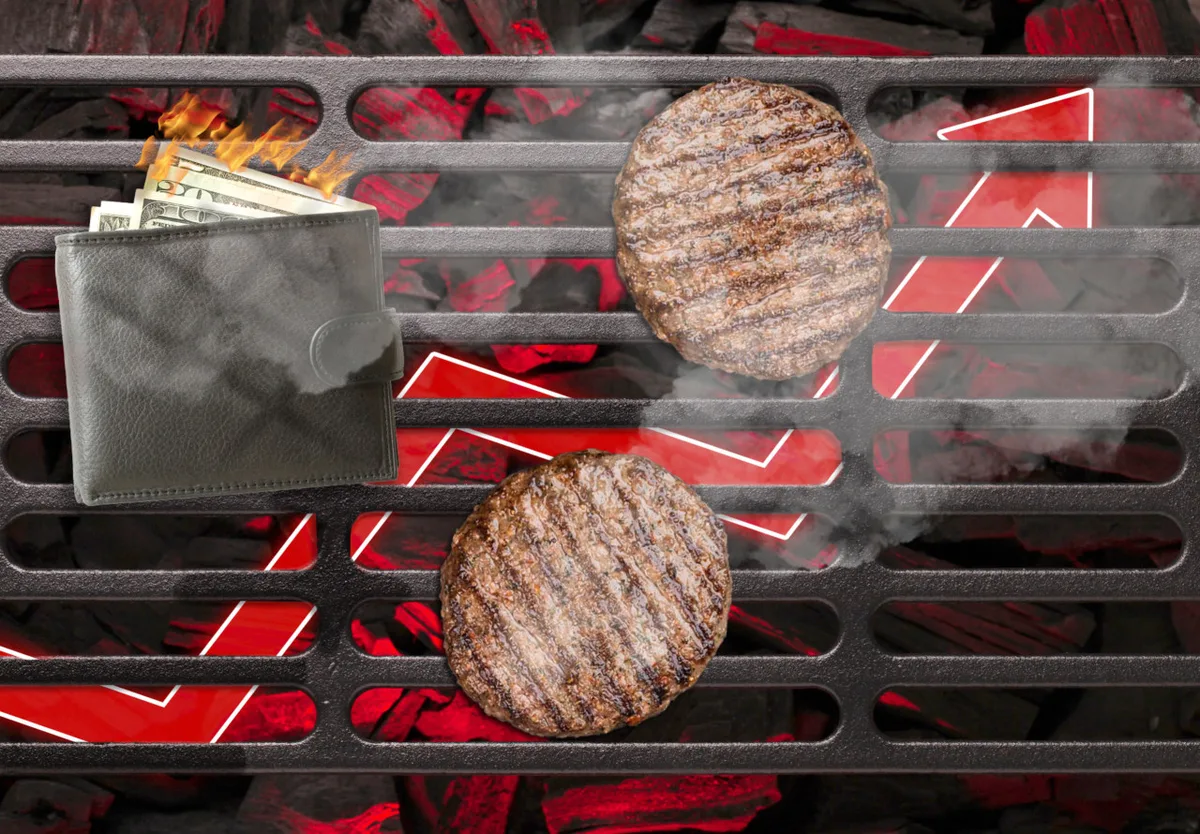
Despite record volumes of imported beef flooding into the United States, American consumers are still paying elevated prices for burgers and steaks ahead of the Fourth of July holiday, according to MarketWatch. The paradox has left shoppers frustrated and economists searching for explanations as backyard grilling season hits its annual peak.
Washington's implicit strategy of boosting beef supply through imports was supposed to ease pressure on domestic prices, but the relief has yet to materialize at the meat counter. Multiple forces appear to be keeping retail beef costs high even as import tonnage climbs, suggesting that supply alone cannot override the complex pricing dynamics embedded throughout the meat industry's supply chain.
Read more UK Services Sector Shrinks Sharply as Iran War Weighs on Economy →
Domestic cattle supplies remain constrained after years of herd liquidation driven by drought conditions across key ranching states, which means imported beef is largely filling a gap rather than creating a genuine surplus. When supply simply meets demand rather than exceeding it, retailers and processors have little competitive pressure to pass savings on to consumers at the register.
The timing could not be more pointed for American families. The Fourth of July ranks among the biggest beef consumption days of the year, and with household budgets still strained by broader inflation, the cost of a traditional cookout is drawing sharp attention. Analysts note that elevated beef prices reflect not just raw supply constraints but also higher labor, transportation, and processing costs that have become structurally embedded since the pandemic reshuffled the food economy.
Continue reading at MarketWatch.com