Oil Rises, Stock Futures Fall After U.S.-Iran Strait Strikes
Weekend exchanges of strikes near the Strait of Hormuz sent oil prices higher and rattled U.S. equity futures Sunday.
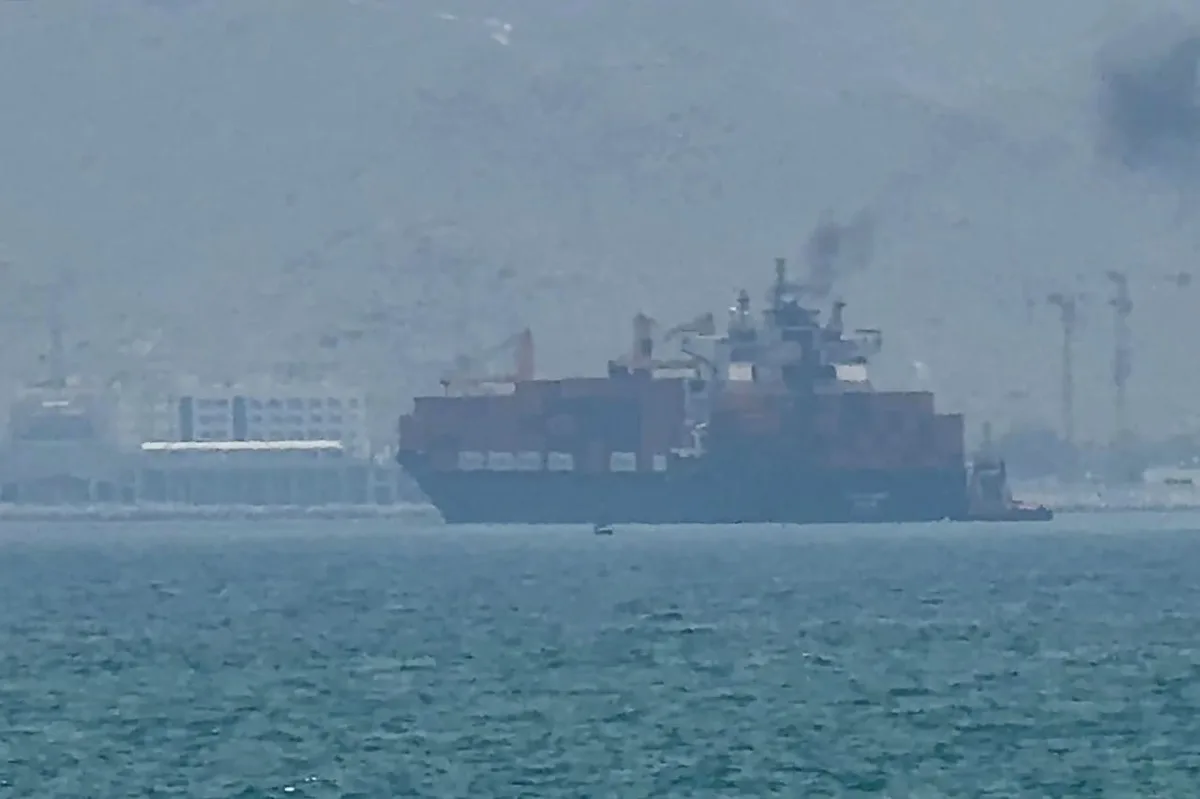
Oil prices climbed and U.S. stock-index futures retreated Sunday as escalating military exchanges between the United States and Iran near the Strait of Hormuz unsettled global markets heading into the new trading week. The tit-for-tat strikes over the weekend reignited fears over one of the world's most critical energy chokepoints, through which a significant share of global oil supply flows.
The market reaction reflects longstanding investor anxiety about any military activity near the Strait of Hormuz. Disruptions to shipping in that corridor can rapidly tighten global crude supply, pushing energy prices higher while simultaneously weighing on broader equity sentiment as traders price in geopolitical risk premiums.
Read more 3 Stocks Top Wall Street Analysts Back for Long-Term Gains →
The latest flare-up marks a continuation of hostilities between Washington and Tehran that have periodically rattled commodities and financial markets. Each new exchange raises the stakes for regional stability and amplifies uncertainty for traders trying to gauge whether the conflict could escalate into a broader confrontation with lasting economic consequences.
Analysts will be watching closely whether diplomatic channels emerge to de-escalate tensions or whether further strikes prompt a sustained move higher in crude benchmarks. For now, the dual signal — rising oil and falling futures — suggests markets are pricing in a meaningful, if not yet catastrophic, risk scenario tied to the ongoing confrontation.
Continue reading at MarketWatch.com