Oil Prices Drop as Saudi Arabia Boosts Crude Supply After Pipeline Attack
Saudi Arabia moved to offset export disruptions by routing more oil through the Strait of Hormuz, easing market fears.
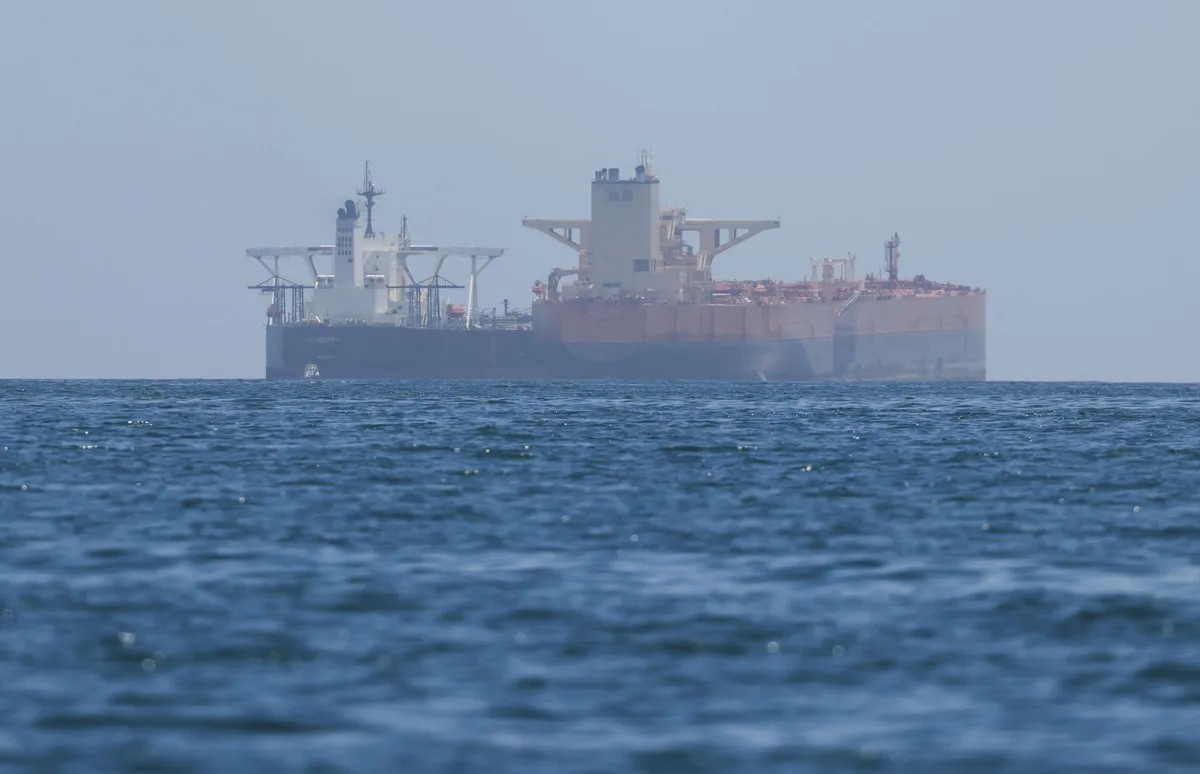
Oil prices declined Monday after Saudi Arabia reportedly stepped up crude shipments through the Strait of Hormuz, moving swiftly to reassure global markets following an attack on a key pipeline that had threatened to tighten supply. The kingdom's decision to redirect additional barrels through the strategic waterway signaled Riyadh's intent to prevent any sustained disruption to its export commitments.
The news offered immediate relief to traders who had braced for a potential supply shock. Benchmark crude futures retreated as Saudi Arabia's response demonstrated its capacity to reroute oil flows and maintain delivery schedules despite infrastructure damage, undercutting the risk premium that had briefly supported prices.
Read more Jim Cramer Highlights Micron as Top Stock to Watch Thursday →
The episode highlights the vulnerability of Middle Eastern energy infrastructure and the outsized role Saudi Arabia plays as the world's swing producer. When Riyadh moves decisively to flood markets with additional supply, it can effectively neutralize the kind of geopolitical anxiety that typically sends prices surging — at least in the short term.
Analysts will be watching closely to see whether the pipeline damage proves temporary or signals a broader escalation of tensions in a region that remains central to global energy security. The Strait of Hormuz, through which a significant share of the world's seaborne oil passes, is itself a perennial chokepoint whose stability underpins crude pricing worldwide.
Continue reading at US Top News and Analysis.