Oil Prices Climb After U.S. Strikes Tehran, Blockades Iran Ports
Crude prices jumped Wednesday after U.S. forces hit Tehran and reimposed a naval blockade on Iranian ports near the Strait of Hormuz.
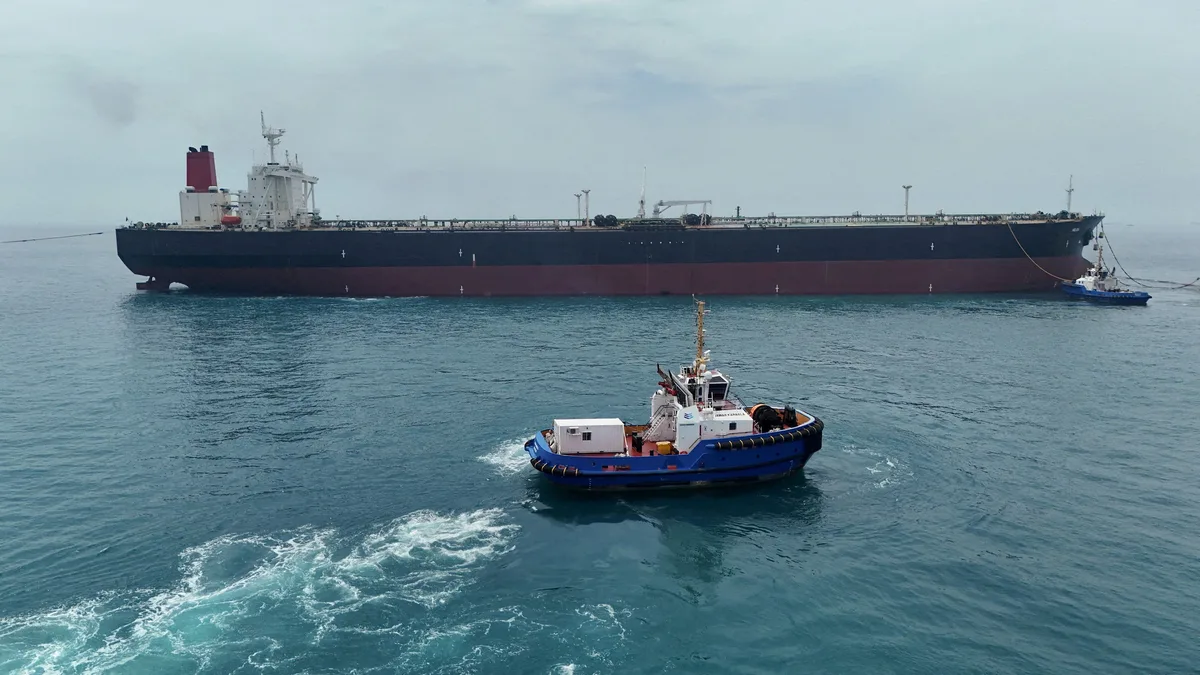
Oil prices surged Wednesday after U.S. military forces carried out strikes on Tehran and the United States reinstated a naval blockade targeting Iranian ports near the strategically critical Strait of Hormuz, escalating tensions in one of the world's most vital energy corridors.
The Strait of Hormuz serves as the chokepoint for roughly one-fifth of global oil trade, making any military activity in the region an immediate catalyst for price volatility. The combination of direct strikes on the Iranian capital and a reimposed blockade of key ports sent traders scrambling to reassess supply risk premiums built into crude benchmarks.
Read more T. Rex Fossil Sells for $50M, Sets Dinosaur Auction Record →
The naval blockade marks a significant reinstatement of U.S. pressure tactics against Iran, signaling a sharper escalation in Washington's posture toward Tehran. Military strikes on the capital itself represent a dramatic intensification of the standoff, raising fears among energy market participants about potential Iranian retaliatory measures that could disrupt regional shipping lanes.
Analysts watching the situation warn that prolonged military engagement near the Strait of Hormuz could have outsized effects on global energy markets, as even the threat of supply disruption has historically been enough to push crude prices sharply higher. The degree of the price move will likely depend on how quickly the geopolitical situation either stabilizes or deteriorates in the hours and days ahead.
Continue reading at US Top News and Analysis.