Oil, Gold, and Copper Outlook: Mid-Year 2026 Market Signals
A potential 2026 oil shock tied to Strait of Hormuz tensions is reigniting inflation fears and forcing a reassessment of Fed policy.
A possible oil supply disruption centered on the Strait of Hormuz is rattling commodity markets at the midpoint of 2026, with analysts warning that a sustained closure could send crude prices sharply higher and rekindle inflationary pressures that central bankers had only recently begun to contain. The scenario is reshaping expectations across energy, metals, and monetary policy simultaneously — a rare convergence that market watchers say demands close attention.
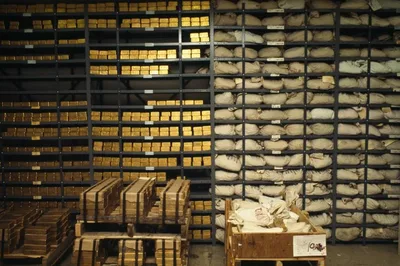
Gold is emerging as a primary beneficiary of the uncertainty. Historically, the precious metal surges when geopolitical risk combines with inflation anxiety, and the current environment appears to be delivering both. Investors rotating into safe-haven assets are helping push gold's profile higher even as other risk assets remain under pressure from the broader macro backdrop.
Read more AI Bubble Fears and K-Shaped Economy Weigh on Investors →
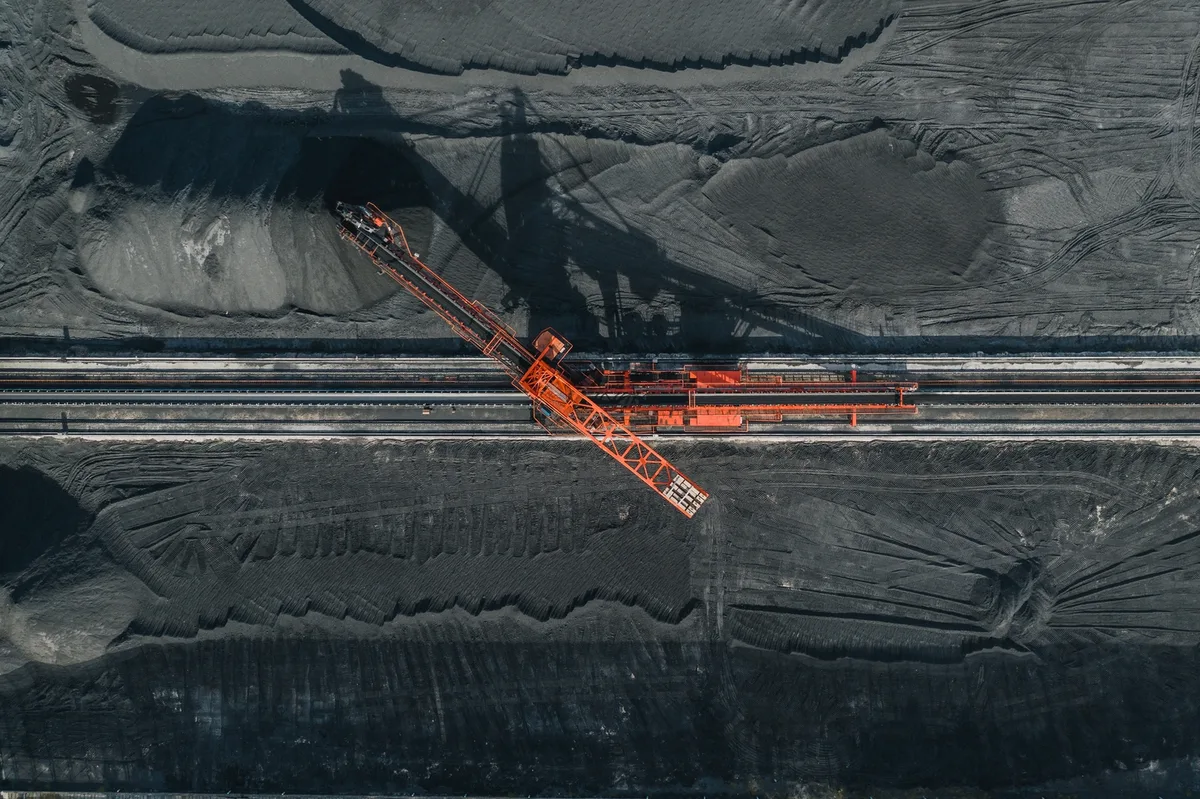
Copper, often read as a barometer of global economic health, faces a more complicated picture. Demand signals from industrial economies have been mixed, and any oil-driven slowdown in manufacturing activity could weigh on the red metal's near-term trajectory. At the same time, structural supply constraints tied to long-lead mining projects continue to support a constructive long-term view.
The Federal Reserve sits at the center of the policy dilemma. An oil-shock-driven spike in headline inflation could force the Fed to delay or reverse any easing cycle it had telegraphed, potentially tightening financial conditions precisely when economic momentum may be softening. That tension between inflation control and growth support is the defining variable traders are pricing into rate-sensitive assets right now.
How the Hormuz situation evolves over the coming weeks will likely determine whether this mid-year outlook becomes a short-term scare or a durable regime shift for commodities and monetary policy alike. Continue reading at SeekingAlpha.