NATO Defense Spending Pledges Face a Critical Trump Test
Alliance leaders gather as Washington demands Europe convert higher defense budgets into real military capability and shoulder more of the burden.
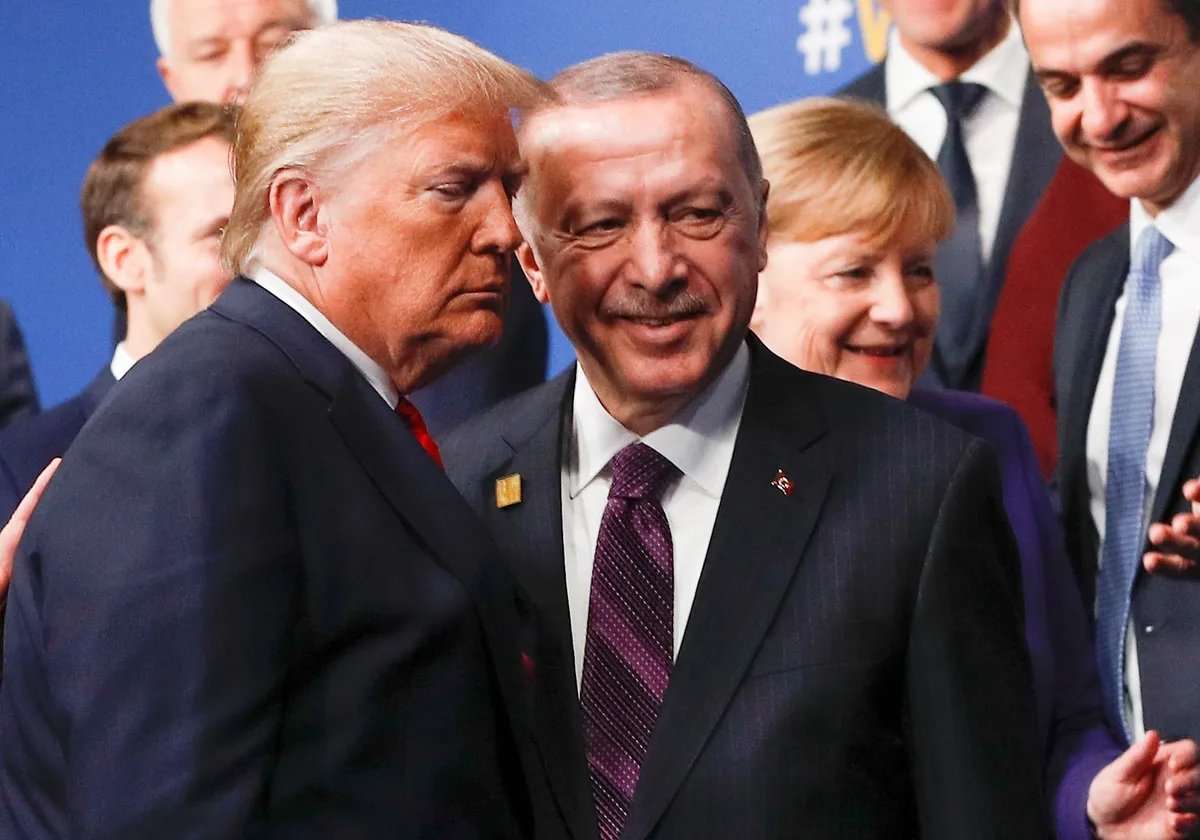
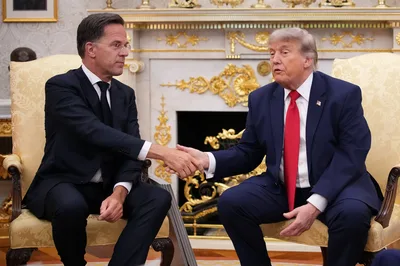
NATO allies are bracing for a high-stakes reckoning as the Trump administration intensifies pressure on European members to translate ballooning defense budgets into tangible military strength, shifting the alliance into what observers are calling a new phase of burden-sharing accountability.
The core question dominating summit discussions is whether European nations can move beyond pledging increased defense expenditures and actually deliver the combat-ready forces, equipment, and logistics that Washington argues the alliance requires. The Trump White House has made clear that dollar commitments alone will no longer satisfy American demands for equitable contributions.
Read more Crowds Fill Tehran Streets to Mourn Ayatollah Khamenei →
The dynamic marks a significant stress test for the transatlantic partnership. For decades, NATO operated under an implicit arrangement in which the United States provided the bulk of hard military power while European members contributed politically and economically. That arrangement is now under direct challenge, with Washington demanding structural reform rather than rhetorical reassurance.
Analysts note that even allies who have ramped up defense spending face the harder challenge of converting funds into deployable capability — a process that takes years of procurement, training, and institutional reform. The gap between budgets and battlefield readiness remains a central vulnerability that European governments must now visibly close to satisfy American expectations.
The outcome of these deliberations could redefine the alliance's operational model and the terms of American engagement in European security for years to come. Continue reading at US Top News and Analysis.