Low SPR Levels Risk Damaging Underground Storage Caverns
The U.S. Strategic Petroleum Reserve has been drawn down so rapidly that experts warn the depleted levels could damage the salt caverns used to store oil.
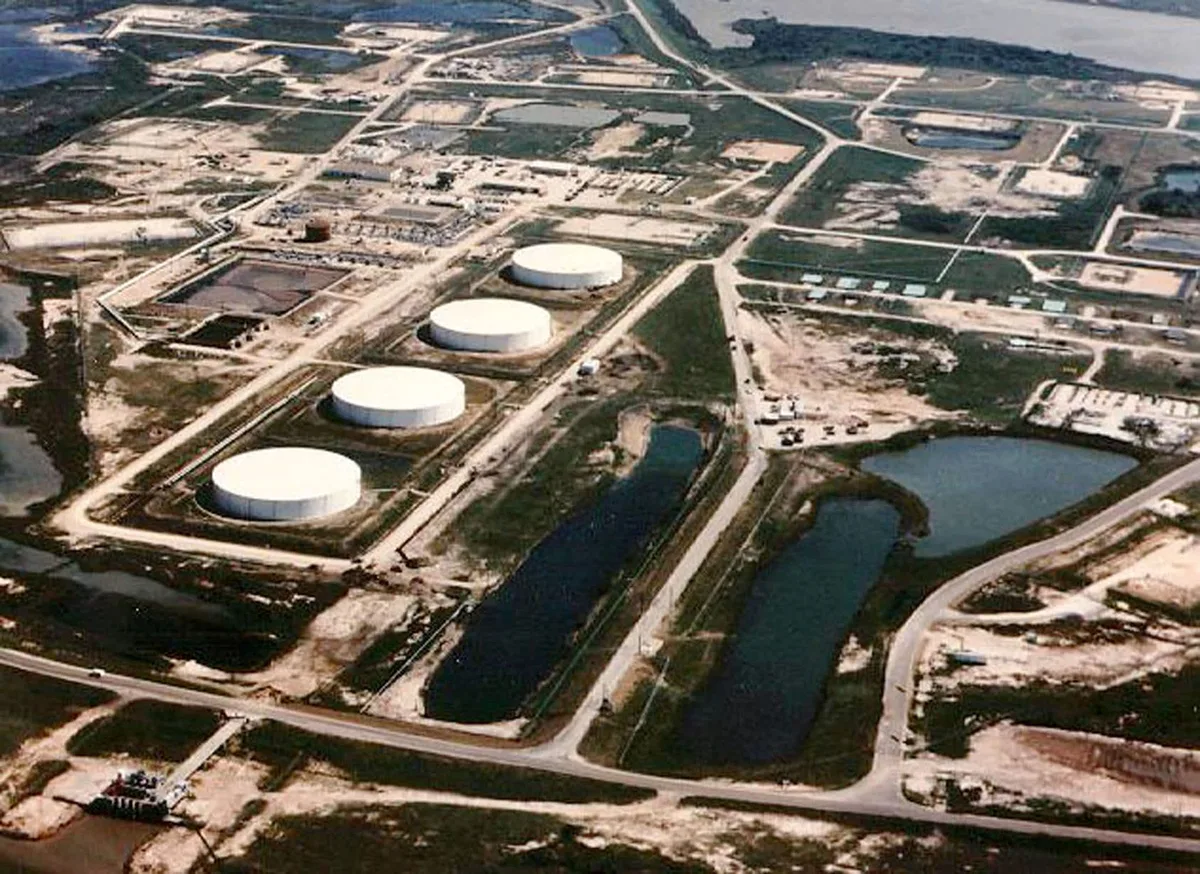
The U.S. Strategic Petroleum Reserve has been drained to levels that experts say are approaching a threshold where the underground salt caverns used to house the emergency stockpile could sustain structural damage, raising fresh concerns about the long-term integrity of the nation's oil safety net.
The SPR, maintained by the federal government as a buffer against supply disruptions and energy emergencies, relies on a network of massive salt caverns along the Gulf Coast. Engineers and energy analysts warn that drawing oil below certain minimum levels can compromise the geological stability of those caverns, potentially hampering future storage capacity and operational effectiveness.
Read more Israeli Settlers Divert Palestinian Water to Fill West Bank Pool →
The rapid pace of recent drawdowns has amplified those worries. When oil is removed too aggressively or levels drop too low, the caverns — which depend on internal pressure from the stored crude to maintain their structural shape — can be at risk of deformation or collapse, experts caution. Restoring damaged caverns is a costly and time-consuming process that could leave the reserve functionally impaired for years.
The situation places policymakers in a difficult position: replenishing the reserve requires purchasing oil at market prices, a move that carries its own fiscal and political complications, while leaving it depleted risks both national energy security and the physical infrastructure that makes the SPR operational in the first place. The dual threat underscores how the aggressive use of the reserve in recent years has created vulnerabilities that extend well beyond simple supply metrics.
Continue reading at US Top News and Analysis.