Labor Force Participation Hits 50-Year Low as Job Seekers Quit
The unemployment rate dipped, but for a troubling reason: Americans are abandoning the job search at rates unseen in half a century.
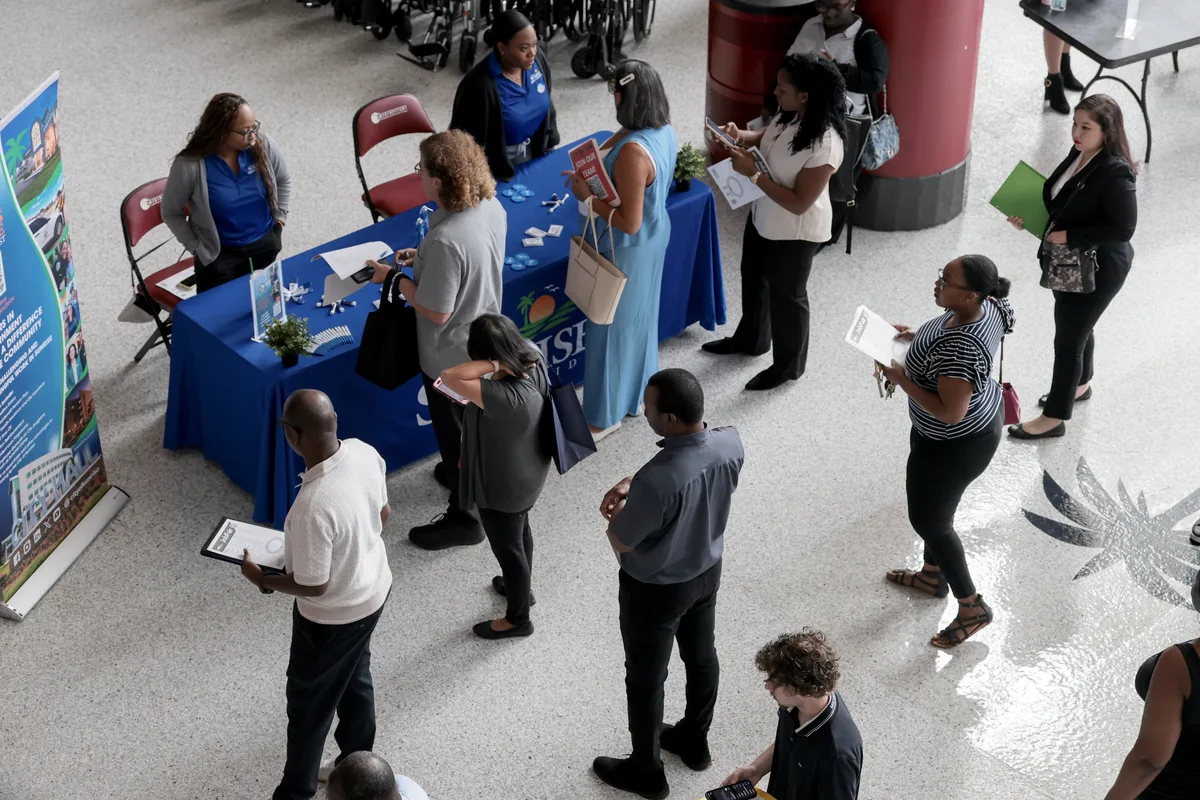
The U.S. labor market flashed a worrying signal as the labor force participation rate tumbled to its lowest level in roughly 50 years, excluding the acute disruptions caused by the Covid-19 pandemic, according to the latest jobs report. While a falling unemployment rate typically signals economic strength, analysts warn the recent decline is being driven by discouraged workers exiting the workforce entirely rather than by robust hiring.
When workers stop looking for jobs altogether, they are no longer counted as unemployed under standard Bureau of Labor Statistics methodology, which mechanically pushes the headline unemployment figure lower. That statistical quirk masked what economists described as an otherwise disappointing employment report, one that offered little genuine evidence of underlying labor market momentum.
Read more June Jobs Report: Payrolls Rise Just 57,000, Missing Forecasts →
The retreat from the workforce carries broader economic consequences. Declining participation compresses the pool of available workers, weighs on long-run GDP growth potential, and can signal that a segment of the working-age population has become structurally disconnected from the economy. Policymakers and Federal Reserve officials closely watch participation trends because they shape assessments of how much slack remains in the labor market and inform decisions on interest rates.
The data adds a layer of complexity to an already uncertain economic picture, coming at a time when businesses are navigating elevated borrowing costs and cautious consumer spending. A shrinking active workforce may also translate into reduced household incomes and softer consumer demand down the line, compounding headwinds facing the broader economy.
Continue reading at US Top News and Analysis.