Iran Faces Oil Inventory Glut Even If Sanctions Are Lifted
Surplus global oil supply and waning Chinese demand could leave Iran struggling to offload stockpiles even after sanctions relief.
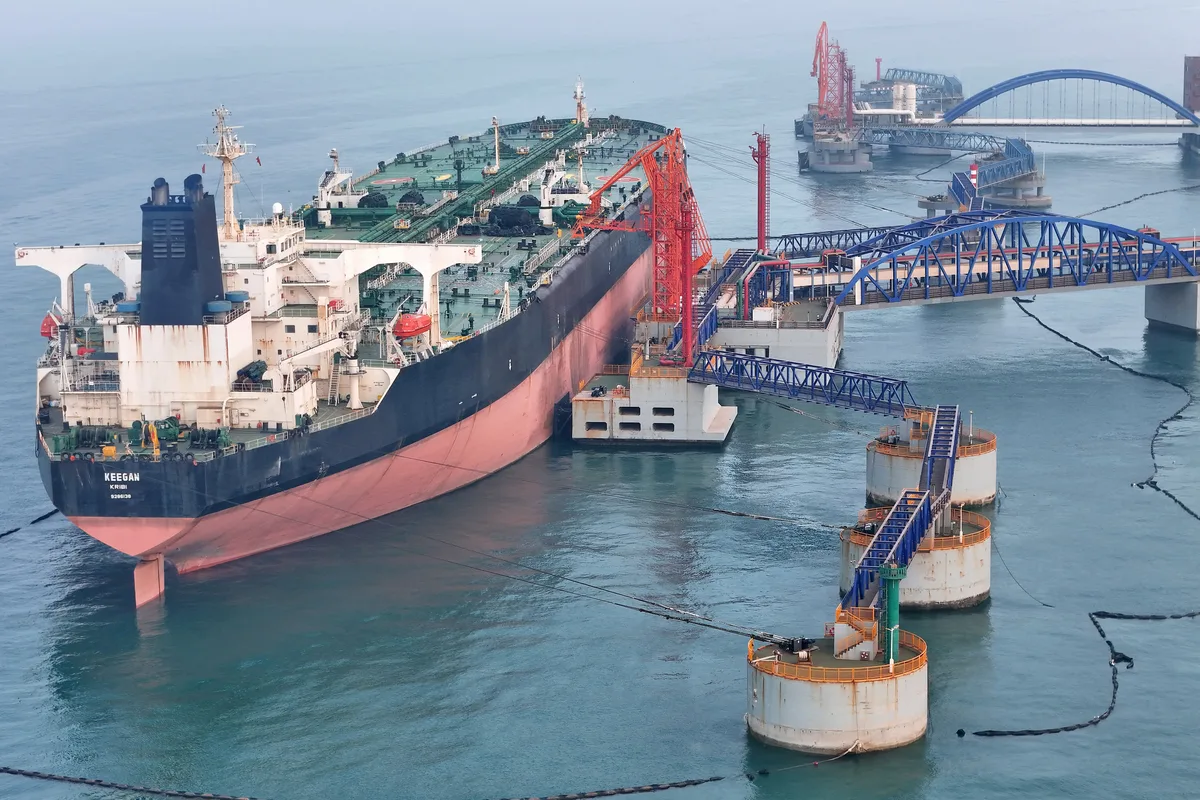
Iran may struggle to move its accumulated oil inventories even if international sanctions are lifted, as a combination of global oversupply and cooling Chinese appetite for crude creates a hostile market environment for any Iranian export surge. The challenge underscores how geopolitical wins do not automatically translate into economic ones for oil-dependent nations.
Global oil markets are already contending with ample supply from competing producers, meaning any significant volume of Iranian crude re-entering the market would land in an already well-stocked arena. That supply overhang limits Tehran's ability to command competitive prices or quickly find buyers willing to absorb large quantities of stored oil.
Read more Dow Crosses 53,000 as Tech Rebound Lifts Nasdaq Higher →
China, historically one of Iran's most reliable customers and a key buyer of sanctioned crude at discounted rates, appears to be tempering its enthusiasm. A slowdown in Chinese demand growth reduces one of the primary release valves Iran would ordinarily count on to drain its inventories rapidly following sanctions relief.
The situation places Tehran in a difficult strategic position: even a successful diplomatic breakthrough that removes trade barriers may deliver far less economic relief than anticipated if the market cannot absorb the additional barrels. Iranian officials and their trading partners would need to carefully manage the pace and volume of any export ramp-up to avoid further depressing prices and undercutting potential revenue gains.
The dynamics highlight a broader tension facing sanctioned oil producers who accumulate reserves during periods of restricted trade, only to find that the global energy landscape has shifted by the time their access is restored. Continue reading at US Top News and Analysis.