Hybrid Vehicles Surge as U.S. Car Buyers Cool on EVs
Hybrid sales are booming across the U.S. market as consumers prioritize affordability and practicality over fully electric vehicles.
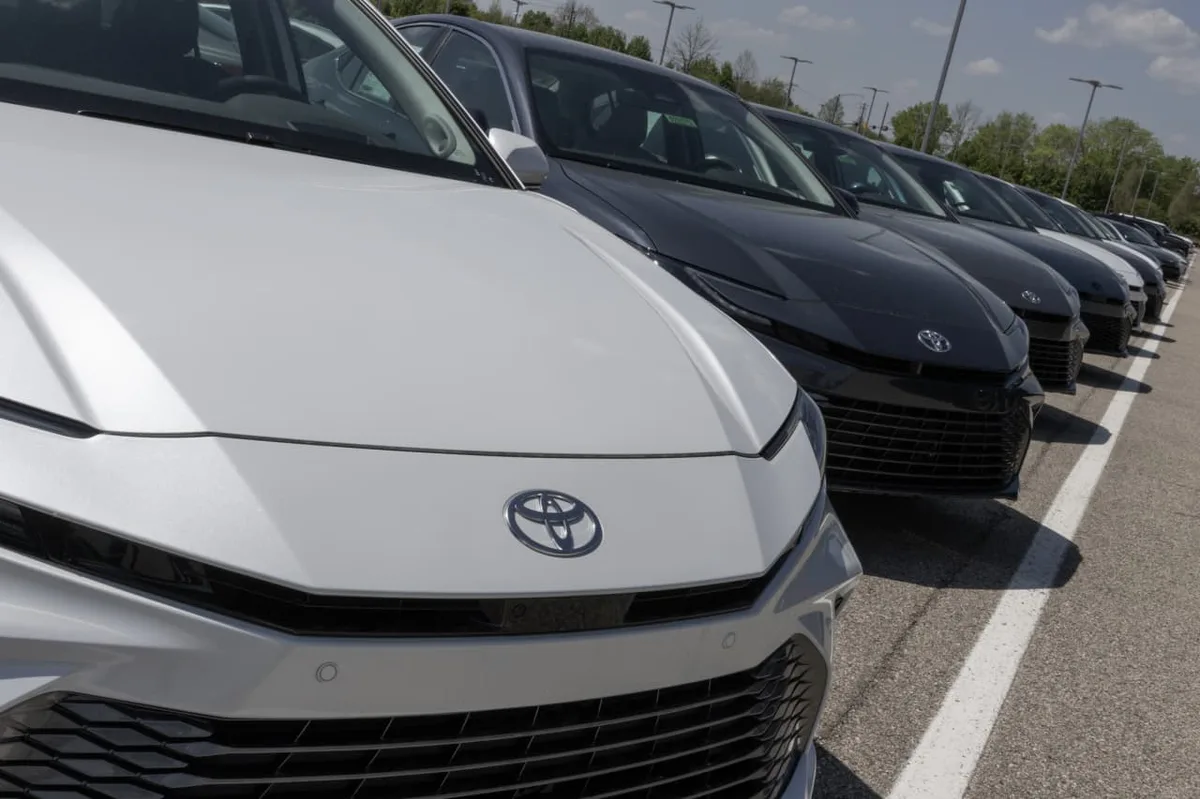
Hybrid vehicles have emerged as the unexpected powerhouse of the American auto market in 2024, capturing buyer attention as demand for fully electric vehicles softens across nearly every major segment. Where automakers once pitched hybrids as a temporary stepping stone toward an all-electric future, consumers are now treating them as a destination in their own right.
The shift reflects a pragmatic recalibration among U.S. car shoppers. Rather than committing to the infrastructure demands and higher upfront costs associated with EVs, buyers are gravitating toward hybrids for their combination of fuel efficiency, familiar refueling convenience, and increasingly competitive pricing. Hybrids effectively sidestep two of the most persistent friction points holding EV adoption back: range anxiety and charging access.
Read more AscentHR Buys OS HRS to Expand APAC Payroll Market Reach →
Automakers are taking notice. The hybrid segment's breakout performance signals that product lineups leaning heavily into full electrification may need to reassess their near-term strategies. Companies that maintained robust hybrid offerings alongside EV development are finding themselves better positioned to meet actual consumer demand rather than aspirational forecasts.
Analysts suggest this divergence between hybrid momentum and EV slowdown could reshape how manufacturers allocate production capacity and capital investment over the next several years. The story is no longer about when hybrids hand the baton to EVs — it's about whether that handoff happens at all on the timeline the industry once assumed.
Continue reading at MarketWatch.com