German CDU Suffers Local Election Blow, Threatening Growth Reforms
Voters are shifting left and far-right in Germany, rattling the ruling CDU and raising alarms over the country's pro-growth economic agenda.
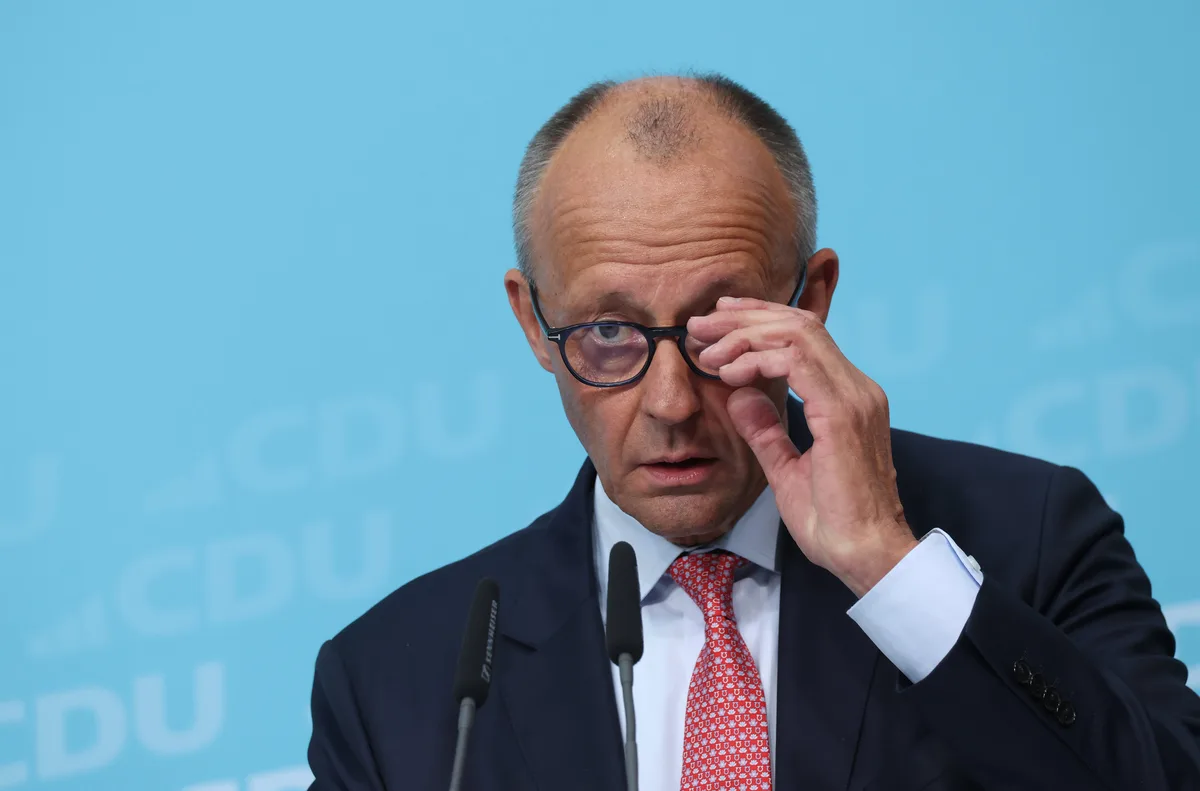
Germany's ruling Christian Democratic Union faced a fresh electoral setback in local voting, with economists warning that rising political instability now poses a direct threat to the country's pro-growth reform agenda. Voters defected to both left-wing and far-right parties, squeezing the CDU from multiple directions and deepening uncertainty about the coalition's ability to govern effectively.
The result has been characterized by analysts as a "disaster" for the CDU, signaling that public confidence in the center-right establishment is eroding at a critical moment for the German economy. With growth already sluggish and structural reforms urgently needed, a weakened governing party is poorly positioned to push through politically difficult measures on labor, energy, and fiscal policy.
Read more Diesel Price Surge Could Raise Grocery and Clothing Costs →
The dual surge toward the left and far-right reflects a broader fragmentation of the German electorate that has accelerated in recent years. Rather than consolidating behind a mainstream alternative, voters appear to be expressing deep frustration with the status quo by backing parties at opposite ends of the political spectrum, complicating any path toward stable coalition governance.
Economists flag the timing as particularly damaging. Germany has been grappling with stagnant industrial output, high energy costs, and sluggish investment — conditions that demand bold, coordinated policy responses. Political gridlock driven by electoral volatility makes those responses harder to deliver, potentially prolonging the country's economic malaise.
The local results add pressure on CDU leadership to recalibrate both messaging and policy priorities before national sentiment hardens further against them. Continue reading at US Top News and Analysis.