Funflation: Why Staying Home No Longer Saves You Money
Rising prices on streaming and gaming are eroding the savings of at-home entertainment, a trend dubbed 'funflation.'
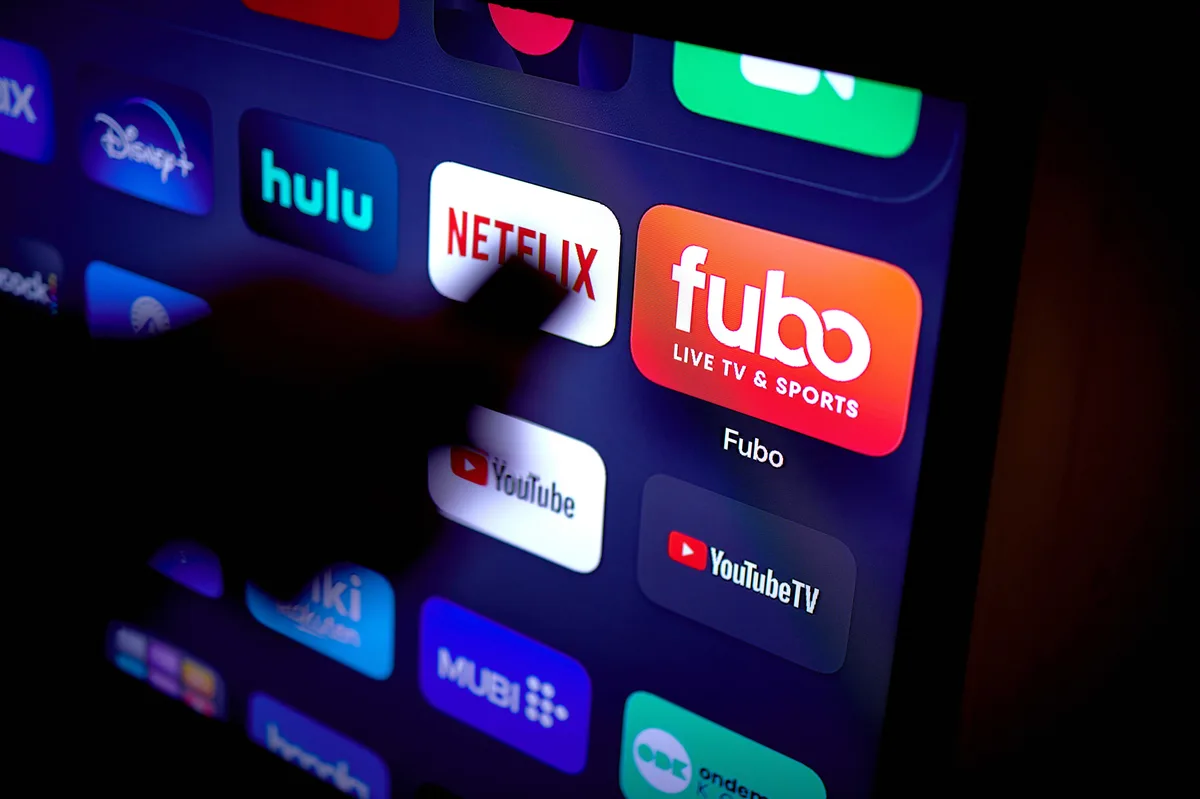
Americans who retreated indoors to save money on entertainment are finding that the couch is no longer the budget refuge it once was. A phenomenon now being called "funflation" is driving up the cost of at-home pastimes — from streaming subscriptions to video games — squeezing household budgets in ways that were once reserved for nights out.
Streaming services and gaming platforms have rolled out successive rounds of price increases, chipping away at what was long considered an affordable alternative to concerts, restaurants, and movie theaters. The cumulative effect of those hikes means that a typical household subscribing to multiple services and buying new game titles can face a monthly tab that rivals or exceeds older forms of going-out entertainment.
Read more RV Owners Can Claim Mortgage Interest Deduction Like Homeowners →
The shift carries real consequences for consumer behavior and personal finance planning. Families that deliberately chose digital leisure as a cost-cutting measure during periods of broader inflation may now need to reassess their spending assumptions, since the "cheap night in" calculus has fundamentally changed.
Analysts note that funflation reflects a broader pricing power shift in the entertainment industry. Streaming giants and game publishers, having built massive subscriber bases during the pandemic era, are now monetizing those audiences more aggressively — raising prices, adding ad tiers, and charging premiums for new releases or early access.
For consumers, the practical takeaway is straightforward: the entertainment budget deserves the same scrutiny as any other line item. Auditing subscriptions, rotating services, and watching for promotional pricing may be the new essentials of staying entertained without overspending. Continue reading at US Top News and Analysis.