Ford Rehires 350 Veteran Engineers After AI Falls Short on Quality
Ford brought back hundreds of experienced engineers after its AI systems proved unable to match human expertise in quality control.
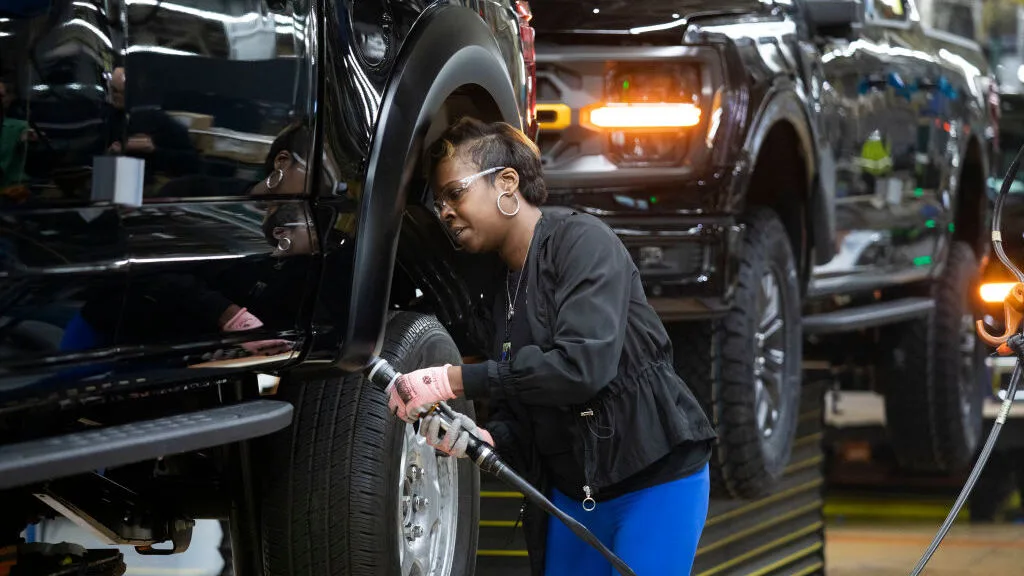
Ford Motor Company has rehired approximately 350 veteran engineers after discovering that its artificial intelligence tools could not adequately replace the seasoned human judgment needed to identify and resolve quality control problems on its vehicle production lines. The decision marks a significant course correction for one of America's largest automakers, which had previously leaned on AI-driven systems as part of broader efforts to modernize operations and cut costs.
The rehiring signals a growing recognition inside Detroit's legacy auto industry that AI, while powerful in many applications, still struggles to replicate the nuanced, experience-driven decision-making that veteran manufacturing engineers bring to complex quality challenges. Ford's move underscores a broader tension playing out across industries as companies race to adopt AI tools only to find critical gaps in capability — particularly in high-stakes, precision-dependent environments like automotive assembly.
Read more Apple Quietly Passes AI Infrastructure Costs to Consumers →
Quality control has long been a pain point for Ford, which has faced warranty costs and recall pressures in recent years. By bringing experienced engineers back into the fold, the company appears to be betting that human expertise remains an irreplaceable asset when diagnosing subtle defects, reading production data in context, and making rapid judgment calls that AI models trained on historical patterns may miss entirely.
The strategic pivot also raises broader questions about how aggressively automakers should automate functions that depend on institutional knowledge built over decades. Ford's experience suggests that the transition to AI-assisted manufacturing is less a straight line than a back-and-forth negotiation between technological capability and human skill — one that may require keeping experienced workers closer to the process than initially anticipated.
Continue reading at Yahoo Finance.