Dollar Bulls at 10-Year High: What Drives the Greenback Higher
Investor bullishness on the U.S. dollar has hit a decade peak, fueled by Middle East tensions, rising oil prices, and Fed policy expectations.
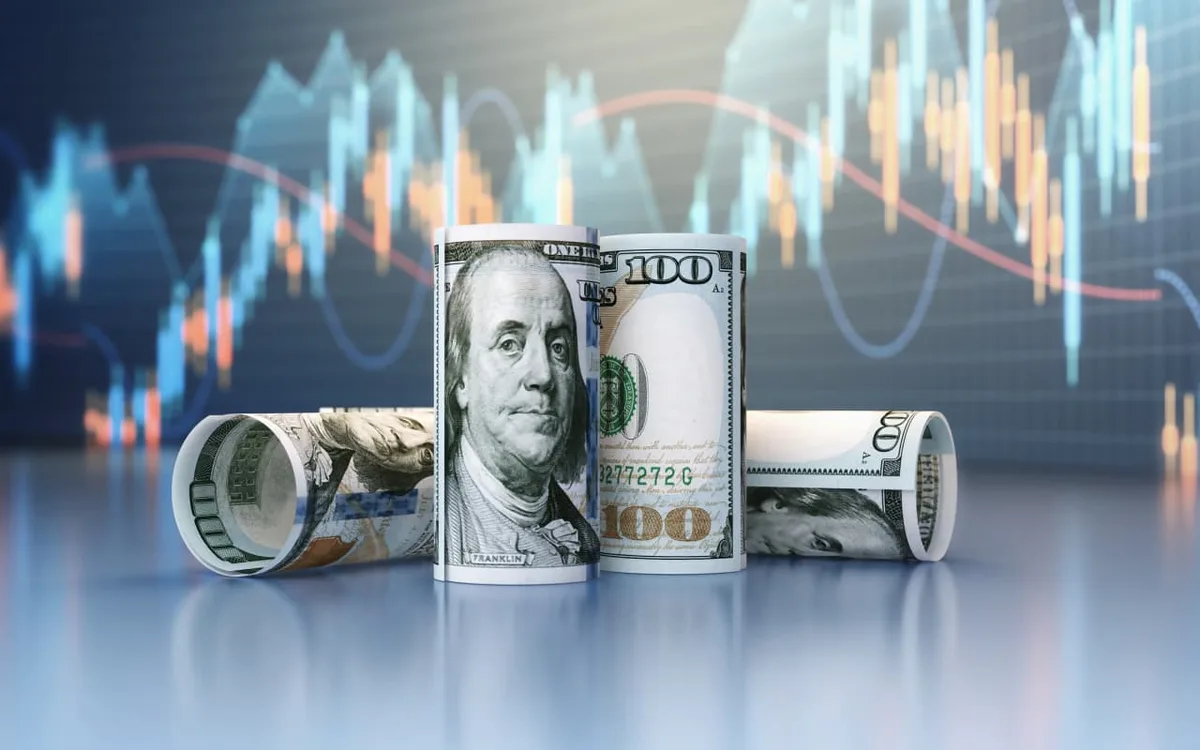
Bullish bets on the U.S. dollar have surged to their highest level in roughly ten years, as a confluence of geopolitical risk, energy market volatility, and Federal Reserve expectations push traders to double down on the greenback. The crowded positioning reflects a market that increasingly believes the dollar's strength is not a short-term blip but a sustained trend with real macroeconomic backing.
At the center of the trade is Wednesday's sharp jump in oil prices, triggered by renewed tensions across the Middle East. For dollar bulls, the key question is whether that oil spike holds — because sustained higher energy costs feed directly into inflation readings, which in turn pressure the Fed to maintain or even extend its restrictive monetary policy stance. A Fed that keeps rates elevated longer than rivals supports the dollar by widening interest-rate differentials with other major currencies.
Read more Oil Prices Climb as U.S. Strikes on Iran Stoke Supply Fears →
The dynamic illustrates a feedback loop that has become familiar in recent years: geopolitical shocks lift commodities, commodities stoke inflation fears, inflation fears delay rate cuts, and delayed rate cuts prop up the dollar. Investors piling into long-dollar positions are essentially making a combined bet on Middle East instability persisting and the Fed staying hawkish — two variables that remain deeply uncertain.
Analysts caution that crowded trades carry inherent risk. When positioning becomes this one-sided, even a modest shift in the narrative — a ceasefire, a softer inflation print, or a dovish Fed signal — can trigger a rapid unwind and sharp reversal in the currency. The size of the bullish positioning itself becomes a vulnerability for late entrants to the trade.
For now, the dollar's trajectory hinges on whether oil's Wednesday rally proves durable or fades as markets reassess the geopolitical risk premium. Continue reading at MarketWatch.com.