Corn and Wheat Futures Hit Three-Year Price Highs
Corn and wheat futures have surged to their highest levels in over three years, though separate forces are driving each commodity's rally.
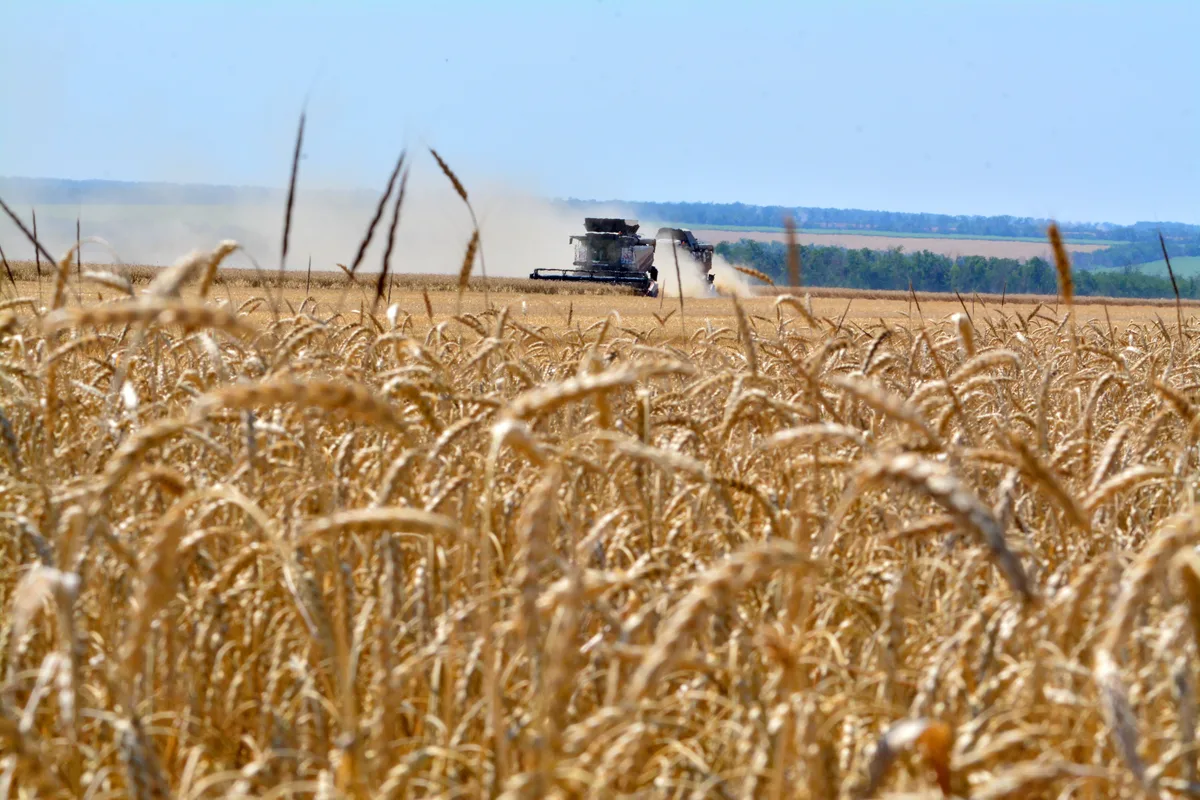
Corn and wheat futures climbed to their highest prices in more than three years, according to US Top News and Analysis, marking a significant moment for agricultural commodity markets and raising fresh questions about food supply chains and consumer costs.
The rallies in both crops are notable not only for their magnitude but for their divergence — each commodity is being pushed higher by distinctly different market forces, suggesting traders and analysts must assess the two markets separately rather than treating them as a unified agricultural trend.
Read more Hecate Energy Plans Nasdaq Debut Under Ticker HCTE After Lender Deal →
Surging grain prices at the futures level can ripple quickly through the broader economy, affecting everything from livestock feed costs to processed food prices on grocery store shelves. Prolonged price increases in staple grains historically place pressure on food manufacturers, restaurant operators, and ultimately consumers.
While the source highlights that the reasons behind each rally are notably different, the convergence of both major grains at multi-year highs simultaneously signals a broader period of volatility in agricultural commodities that market participants will be watching closely in the weeks ahead.
Continue reading at US Top News and Analysis.