China Courts US Dollars While Building Sanctions Firewall
Beijing remains dependent on the US financial system yet is quietly constructing alternative payment rails to blunt Washington's leverage.
China finds itself in a paradoxical position: it needs steady access to US dollars to power its export-driven economy, yet it is simultaneously racing to build financial infrastructure designed to shield itself from the kind of sanctions pressure Washington can deploy against Beijing's banks and trading partners.
The United States has demonstrated its willingness to use dollar dominance as a foreign-policy weapon, pressuring Chinese financial institutions over transactions linked to Iran by threatening to cut them off from the American financial system. That threat carries enormous weight because dollar-clearing remains the backbone of global trade settlement, leaving even the world's second-largest economy exposed to American regulatory reach.
Read more Treasury Secretary Bessent Schedules Monday Press Conference →
To hedge against that vulnerability, Beijing has been accelerating development of the Cross-Border Interbank Payment System, known as CIPS. The platform is designed to process yuan-denominated international transactions outside the dollar-centric SWIFT network, giving China — and willing trading partners — a parallel channel that Washington cannot easily switch off.
Analysts note that CIPS remains far smaller and less liquid than SWIFT, meaning the hedge is real but incomplete. China's deep integration into dollar-based commodity pricing, bond markets, and reserve holdings means a clean financial decoupling is years, if not decades, away. Still, every incremental expansion of CIPS and bilateral yuan swap agreements quietly erodes the absolute leverage Washington currently holds.
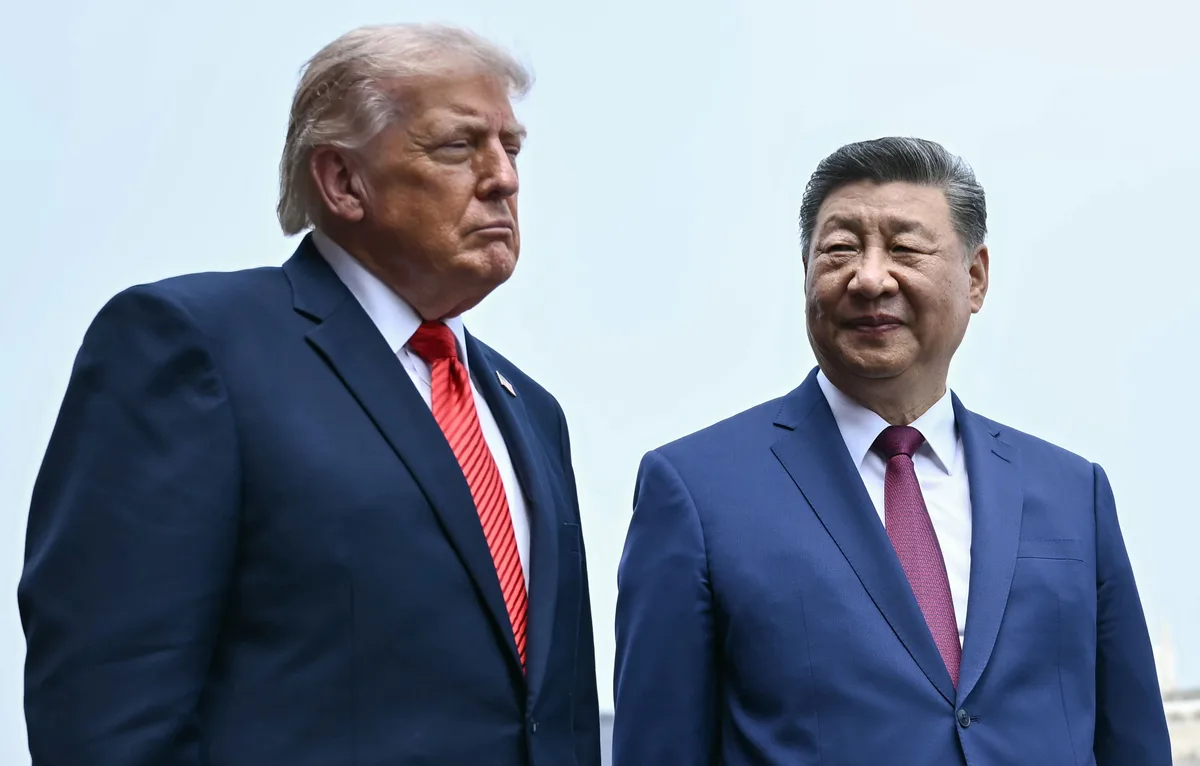
The dynamic underscores a broader structural tension in US-China relations: economic interdependence gives both sides tools of coercion, but the dollar's reserve-currency status hands Washington an asymmetric advantage — one Beijing is determined to chip away at, even if it cannot yet afford to abandon the greenback. Continue reading at US Top News and Analysis.