California Billionaire Tax: Revenue Gains vs. Economic Risk
California eyes a billionaire tax for quick revenue, but Norway's experience raises questions about long-term economic consequences.
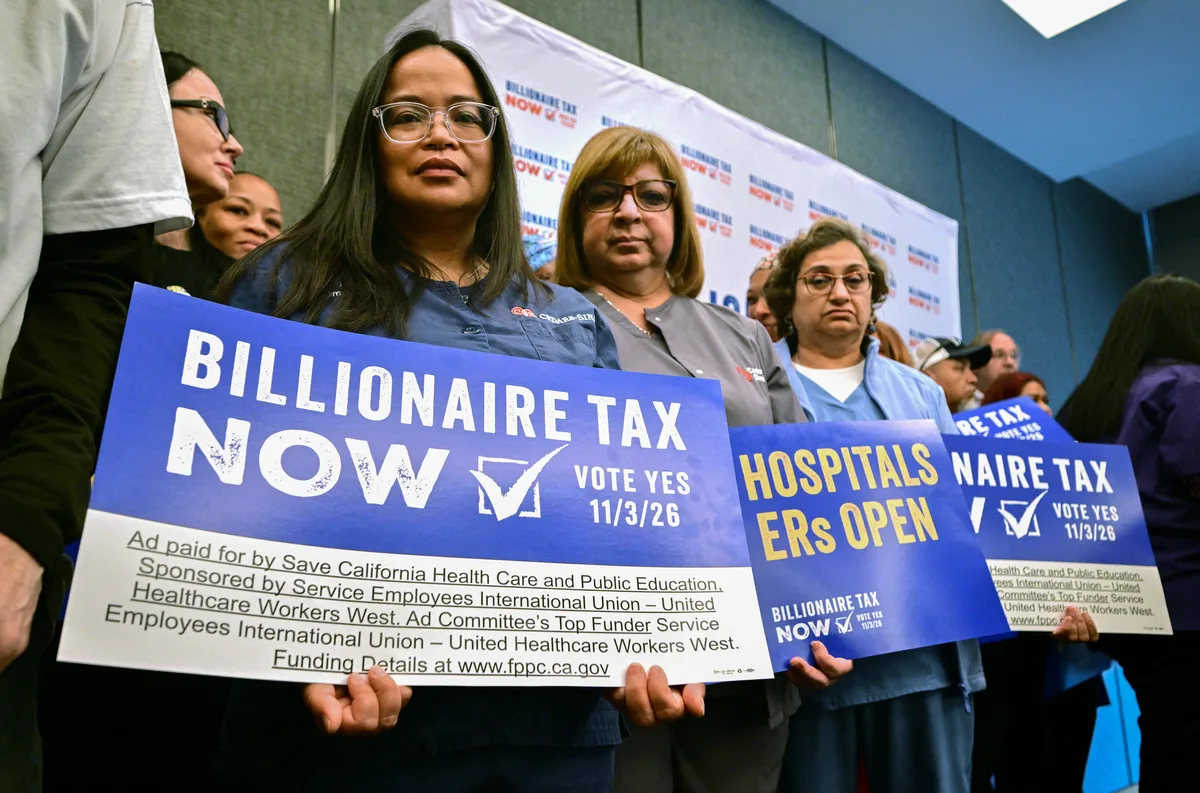
California lawmakers are advancing a proposal to tax its wealthiest residents — a move that supporters say would generate immediate revenue for the nation's largest state economy, but one that carries significant uncertainty about its downstream economic effects. The billionaire tax debate puts California at the center of a broader national conversation about whether extreme wealth concentration should be directly targeted by state-level fiscal policy.
Proponents argue the measure would deliver fast cash injections into state coffers, helping to offset persistent budget pressures that have plagued Sacramento in recent years. California already imposes the highest marginal income tax rate in the country, yet advocates insist additional levies on billionaire-class wealth are both justified and necessary given widening inequality.
Read more Iran Launches First Strike on Eastern Syria Amid Ongoing War →
Critics, however, point to international precedent as a cautionary tale. Norway's experience with wealth taxation offers a mixed signal: while the Scandinavian nation did collect substantial revenue, it also witnessed an exodus of wealthy individuals who relocated assets — and themselves — to lower-tax jurisdictions. That capital flight reduced Norway's expected gains and raised questions about whether the policy ultimately achieved its intended goals.
For California specifically, the stakes are amplified. The state is already home to a disproportionate share of America's billionaires, many of them in the technology sector, and any significant wealth migration could ripple through regional investment, philanthropic giving, and startup financing. Economists caution that the long-term impact of targeting ultra-high-net-worth individuals remains genuinely unclear, even as short-term revenue projections look attractive on paper.
The outcome of California's deliberations could set a precedent for other states weighing similar measures, making this one of the most closely watched fiscal policy debates in the country right now. Continue reading at US Top News and Analysis.