Big Tech Bets on Smart Glasses as the Next AI Hardware
Tech giants are racing to make smart glasses the defining device of the AI era, but consumer adoption remains the critical hurdle.
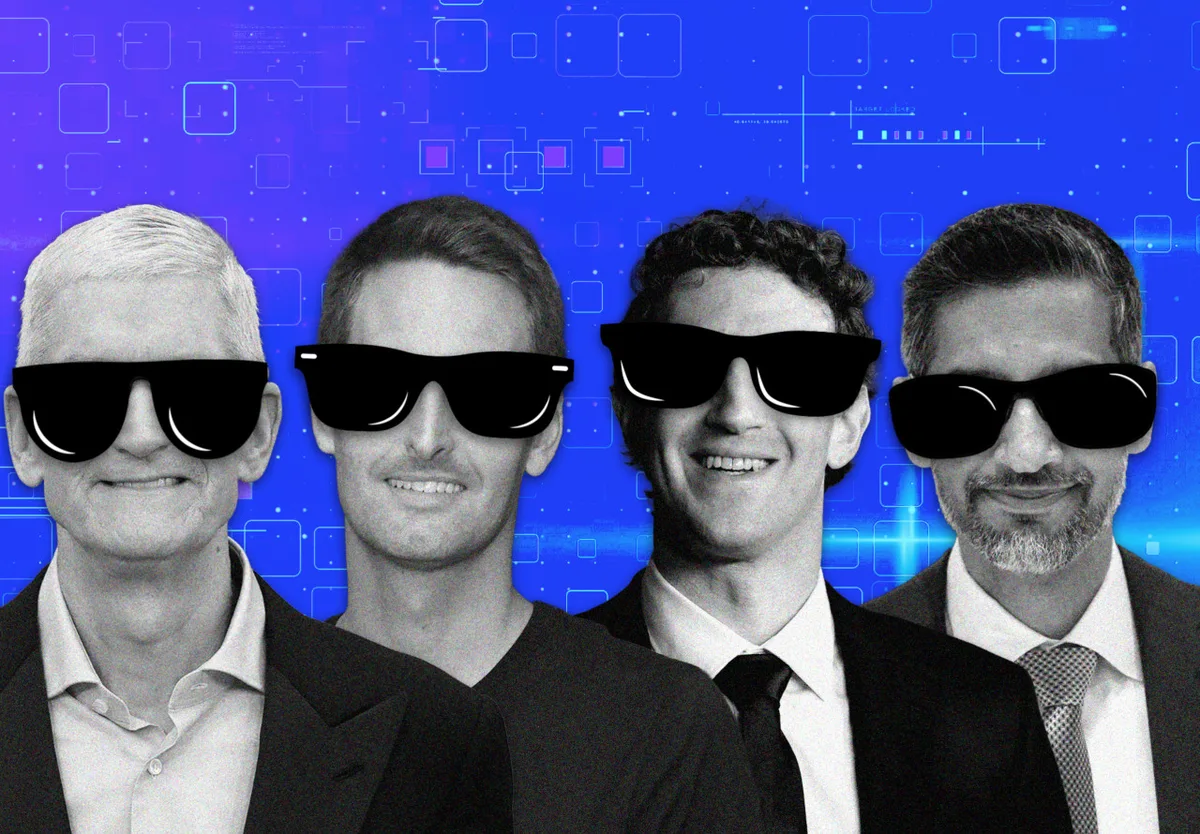
Major technology companies are doubling down on smart glasses, positioning the wearable devices as the signature hardware of the artificial intelligence age — but convincing everyday consumers to actually put them on their faces is proving to be the industry's steepest climb yet.
The push reflects a broader strategic bet: that AI's most powerful applications will be delivered not through smartphones or laptops, but through lightweight eyewear capable of overlaying digital intelligence onto the physical world in real time. For Big Tech, smart glasses represent both a product category and a platform play — whoever wins the form factor could control the next computing paradigm.
Read more ServiceNow and IBM Deepen Partnership in New Collaboration Deal →
Yet the consumer pitch remains unresolved. Past attempts at camera-equipped or augmented-reality glasses, including high-profile efforts that never reached mainstream shelves, trained the public to be skeptical of wearables that look unusual, drain batteries quickly, or fail to deliver on their promises. The industry now faces the dual challenge of engineering genuinely useful AI features while designing hardware people are comfortable wearing in public.
The stakes are enormous. If smart glasses do become the default AI interface, they could displace the smartphone as the dominant personal computing device — reshaping how billions of people interact with technology, consume information, and move through the world. That potential is precisely why leading tech players are pouring resources into the category despite its uncertain track record.
Whether consumers will embrace the vision — literally and figuratively — is the question the entire industry is watching closely. Continue reading at MarketWatch.com