Bessent's Treasury Buyback Push Squeezes Fed on Rates
Treasury Secretary Bessent accelerates long-term debt buybacks to cool bond yields, sparking inflation and Fed independence concerns.
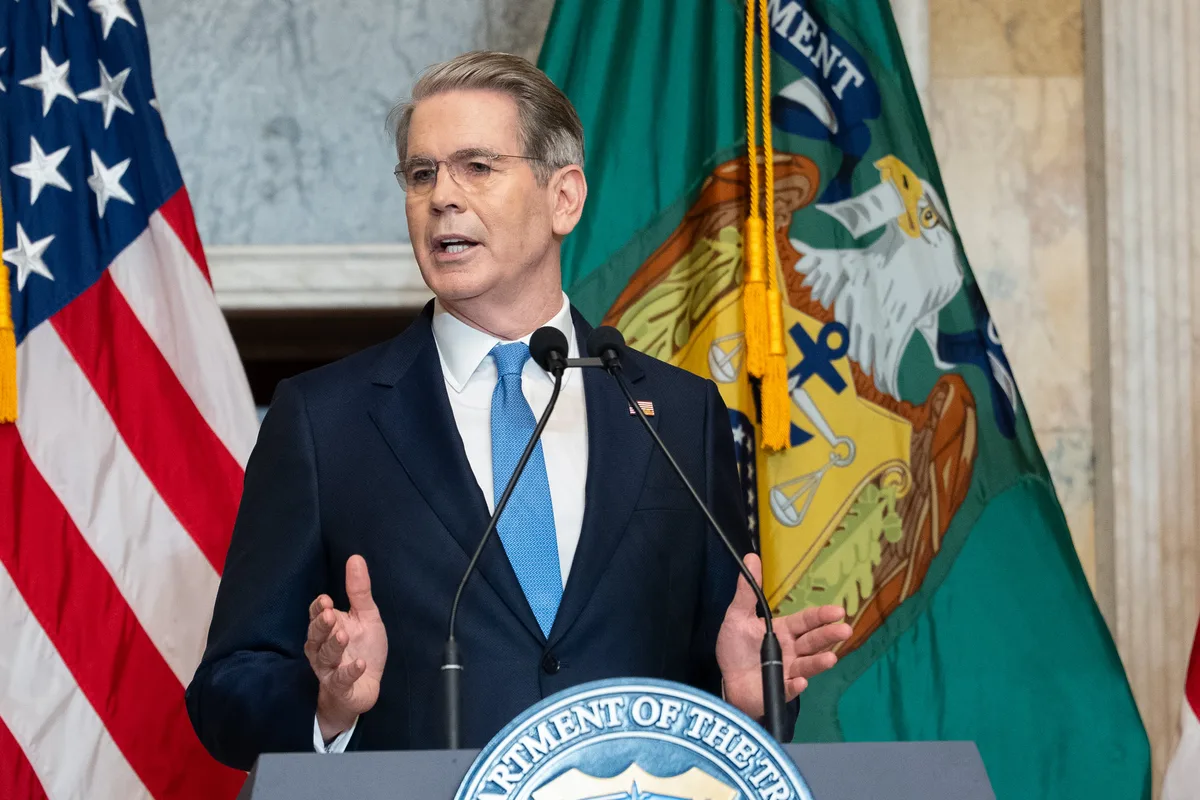
Treasury Secretary Scott Bessent moved aggressively this week to rein in surging long-term Treasury yields, deploying an expanded debt buyback program that succeeded in tempering a sharp bond market selloff. The maneuver marks one of the most direct attempts by the executive branch to influence borrowing costs since the current rate cycle began, and it immediately drew scrutiny from economists watching the boundary between fiscal and monetary policy blur.
The buyback strategy works by reducing the supply of long-dated Treasuries in the market, which mechanically pushes their prices up and yields down. While the short-term effect appeared to stabilize nervous bond traders, analysts cautioned that pulling long-duration debt off the market at scale could stoke inflation expectations — precisely the variable the Federal Reserve has spent years trying to anchor.
Read more Treasury, IRS Move to Limit Tax Credits for Some Immigrants →
The timing puts fresh pressure on Kevin Warsh, widely regarded as a leading contender to lead the Fed when Jerome Powell's term expires. Warsh has staked out a hawkish anti-inflation reputation, and any perception that Treasury is working to suppress yields independently of the central bank complicates the Fed's credibility and his own political positioning. Economists warn that the dual signals — a dovish fiscal maneuver paired with an uncertain monetary outlook — could confuse markets already on edge over trade policy and deficit trajectories.
Broader questions about Federal Reserve independence are now surfacing in policy circles. Critics argue that using buybacks to manage the yield curve blurs the line between Treasury's debt-management mandate and the Fed's exclusive monetary policy domain. Supporters counter that buybacks are a legitimate tool of debt management and have precedent in earlier Treasury programs. The debate is unlikely to resolve quickly, particularly with a presidential administration that has repeatedly signaled impatience with high interest rates.
Continue reading at US Top News and Analysis.