Aortic Dissection Killed Lindsey Graham: Who Is at Risk?
The rare but deadly heart condition that killed Lindsey Graham is largely unknown to the public. Here's what raises your risk.
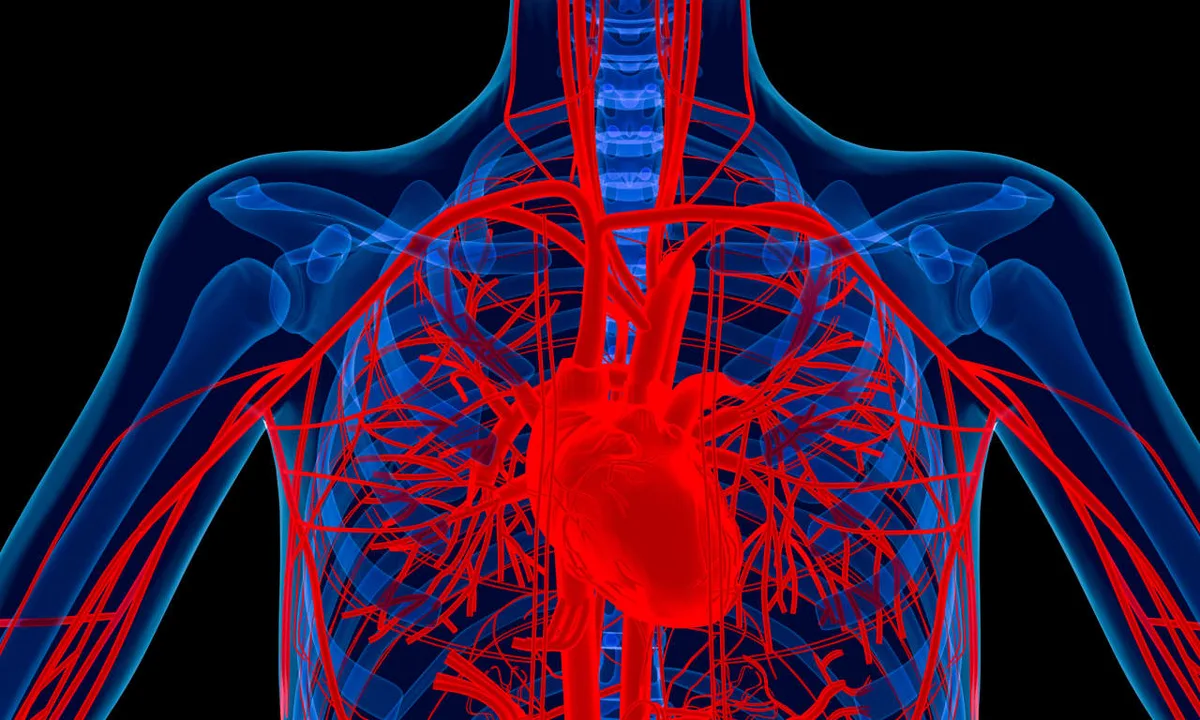
Lindsey Graham, the veteran Republican senator from South Carolina, died from an aortic dissection, a rare and often fatal cardiovascular event that strikes with little warning and is frequently misunderstood by the general public. The condition occurs when a tear forms in the inner wall of the aorta, the body's largest artery, allowing blood to surge between the vessel's layers and potentially causing catastrophic internal bleeding or organ failure.
Aortic dissections are considered extremely uncommon in the broader population, but certain groups carry a significantly elevated risk. Individuals with a documented family history of the condition face heightened danger, as do those diagnosed with specific genetic syndromes known to affect connective tissue and the structural integrity of blood vessels. Doctors and cardiologists stress that awareness of these inherited risk factors is critical to early detection and intervention.
Read more Gold ETF, Gold IRA, or Physical Gold: Key Differences Explained →
Because aortic dissections can mimic other conditions — presenting with sudden, severe chest or back pain — they are notoriously difficult to diagnose quickly. The narrow window for life-saving treatment makes rapid medical response essential. Patients who survive typically require emergency surgery to repair or replace the damaged section of the aorta.
Graham's death has renewed public attention on cardiovascular conditions that receive far less awareness than heart attacks or strokes, despite their potential lethality. Medical experts urge anyone with a family history of aortic disease or a known connective tissue disorder to speak with a physician about screening options and preventive monitoring.
Continue reading at MarketWatch.com