Amazon's Zoox Cleared by NHTSA to Charge for Robotaxi Rides in Las Vegas
Zoox secured a federal safety exemption allowing paid autonomous rides in Las Vegas, marking a major commercial milestone for Amazon's self-driving unit.
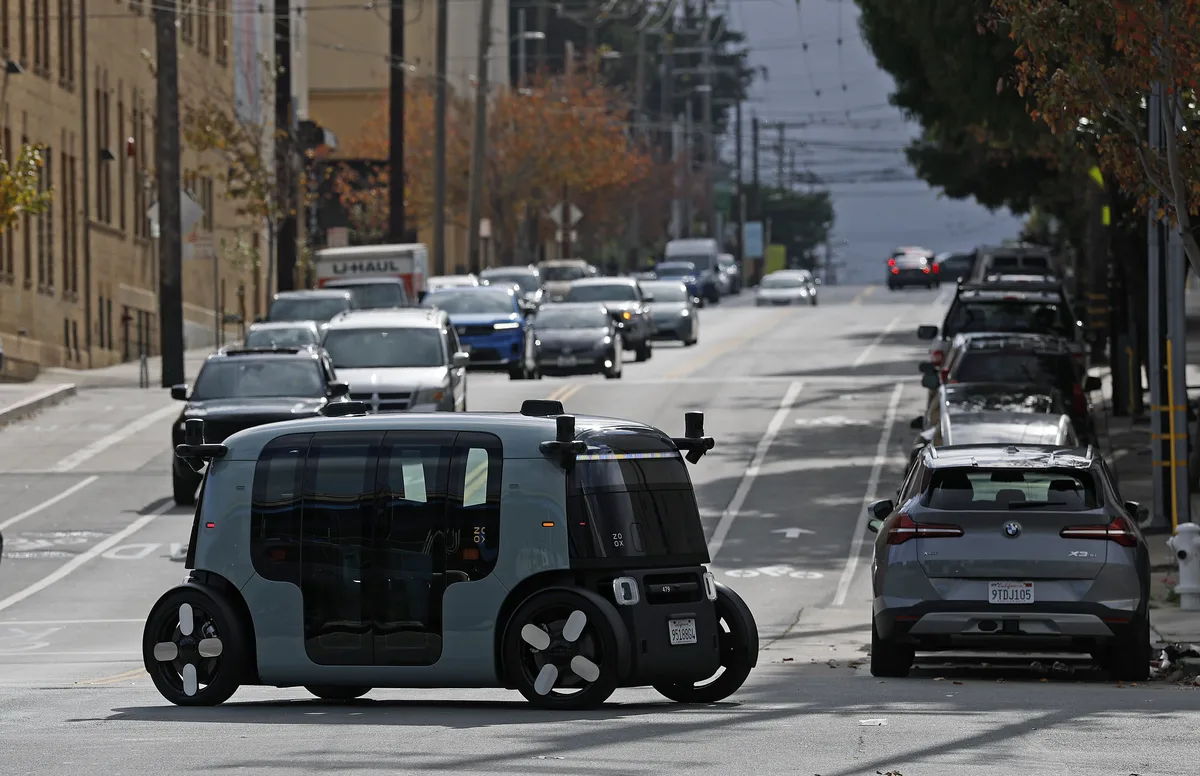
Amazon's self-driving subsidiary Zoox has received federal regulatory clearance to begin charging passengers for autonomous vehicle rides in Las Vegas, a pivotal step that moves the company from testing into commercial revenue generation. The National Highway Traffic Safety Administration granted the exemption after determining Zoox met the necessary safety thresholds to operate its purpose-built robotaxis on public roads with paying customers aboard.
Under the terms of the NHTSA exemption, Zoox is permitted to deploy up to 2,500 vehicles annually over a two-year period. The agency attached "enhanced, adaptable" oversight conditions to the approval, signaling that regulators intend to monitor real-world performance closely and retain the ability to adjust requirements as data accumulates from commercial operations.
Read more Jersey Mike's CEO Plans Digital Marketing Push After IPO →
Las Vegas has emerged as a proving ground for autonomous vehicle companies in recent years, thanks in part to its relatively predictable desert climate, wide road infrastructure, and a regulatory environment receptive to emerging mobility technologies. For Zoox, which has developed a bidirectional, purpose-built vehicle rather than retrofitting existing automobiles, converting to a fare-charging model represents the culmination of years of engineering and regulatory groundwork.
The approval puts Zoox in more direct competition with Waymo, Alphabet's autonomous ride-hail service that already charges passengers in several U.S. markets. Amazon acquired Zoox in 2020, and turning the unit into a revenue-generating business has been a long-stated goal. The two-year window and vehicle cap suggest regulators are treating this as a closely supervised commercial pilot rather than an unrestricted green light, leaving room for course corrections if safety concerns emerge.
Continue reading at US Top News and Analysis.